Vending Machines in Offices: A Comprehensive Guide

Vending machines in offices provide a reliable and profitable opportunity for operators who understand the dynamics of workplace environments. Offices typically have steady foot traffic, and employees appreciate the convenience of quick access to snacks, beverages, and coffee without leaving the building. A well placed vending machine can become an essential part of the office routine, offering solutions for mid morning cravings, afternoon pick me ups, or quick meals between meetings. Operators who take the time to understand office demographics, negotiate placement agreements carefully, and select the right products are more likely to achieve consistent revenue and long term success.
The first step in establishing a profitable office vending route is evaluating potential office locations thoroughly. Large office buildings with hundreds of employees usually generate higher sales than smaller offices because there is a continuous flow of people throughout the day. Understanding how employees interact with their space can help determine the best placement for a machine. Areas such as break rooms, employee lounges, lobbies, and hallways near elevators are ideal because they naturally attract attention. Observing how often employees take breaks, where they congregate, and the times of peak movement can provide valuable insight into which locations are likely to produce the most sales. High traffic areas that employees pass through regularly increase the chances of impulse purchases, which are the backbone of office vending revenue.
After identifying promising locations, the next step is securing permission from office management. Most offices require a placement agreement that outlines responsibilities, fees, and maintenance schedules. The agreement might involve paying a flat monthly rental fee or providing a percentage of sales, often between five and fifteen percent. Negotiating these terms requires clear communication and a professional approach. Management wants assurance that the machine will not become a source of disruption or require frequent intervention. Operators who can demonstrate their ability to maintain machines efficiently and respond quickly to service needs are more likely to secure desirable locations. The agreement should also specify who is responsible for restocking, handling repairs, and addressing customer concerns, creating clarity that benefits both parties and reduces the potential for misunderstandings.
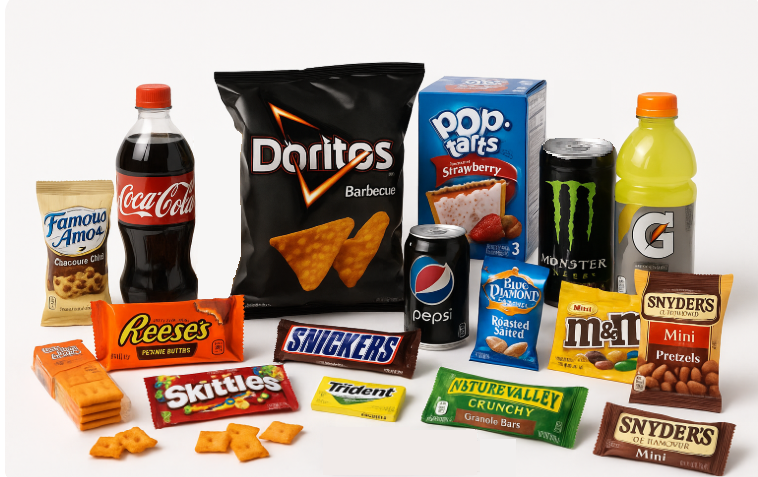
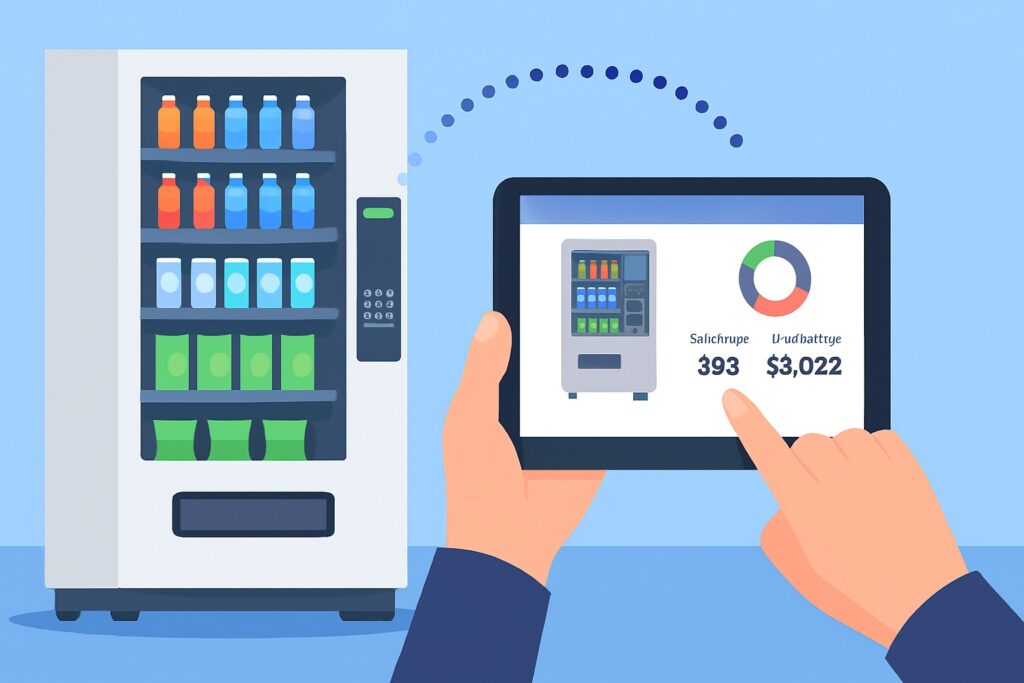
Product selection is another critical factor in maximizing revenue in office vending. Employees have diverse preferences, so offering a balanced mix of traditional and modern options is key. Snack machines should carry chips, candy, granola bars, nuts, and other small items that are easy to consume during short breaks. Beverage machines can include coffee, soda, bottled water, iced tea, energy drinks, and other popular options. Health conscious employees may prefer lower calorie snacks, protein bars, or sparkling water. The addition of specialty or seasonal items can further enhance sales by offering variety and catering to evolving tastes. Smart vending machines with cashless payment systems and telemetry provide a significant advantage, allowing operators to monitor sales trends, track inventory in real time, and schedule restocking more efficiently. This technology reduces downtime and ensures that popular items are always available, which is particularly important in office environments where convenience and reliability are valued.
Machine placement should prioritize visibility, accessibility, and convenience. Employees are more likely to use machines that are easily seen and positioned along their natural routes through the building. Proper lighting can draw attention and improve the overall appearance of the vending area. Clear signage indicating what the machine offers helps employees quickly identify whether the options meet their needs. Accessibility is also important; placing machines in locations that are easy to reach and do not obstruct foot traffic encourages repeated use. Maintenance plays a key role in perception. Machines that are clean, fully stocked, and functioning properly project professionalism and reinforce trust in the vending service. Operators should establish a regular maintenance routine that includes cleaning the machine, checking expiration dates, rotating stock, and addressing any technical issues promptly.
In addition to basic placement and product considerations, operators can increase usage through engagement and promotions. Offering seasonal products, limited time discounts, or loyalty programs can boost interaction with the machine and create a sense of novelty. Tracking sales over time allows operators to adjust inventory to match employee preferences and ensure that high demand items are always available. Small gestures, such as adding healthier options or rotating in trending snacks, can signal that the vending service is attentive to the needs of the office population. This approach encourages repeat usage, which translates into more consistent revenue and a stronger partnership with management.
Communication with office management should continue even after installation. Regularly checking in to ensure satisfaction, responding promptly to any issues, and showing a proactive attitude fosters long term relationships. Successful operators understand that the placement agreement is only the beginning. How the machine is managed and maintained over time can affect the operator’s reputation and the potential for expansion into additional office locations. Many property managers oversee multiple buildings, so a positive experience in one office can lead to opportunities in others. Word of mouth among management teams can also introduce operators to new locations without additional marketing effort, further enhancing profitability.
Ultimately, vending machines in offices are about creating a reliable, convenient service that integrates smoothly into the workday. By carefully evaluating locations, negotiating fair and clear placement agreements, selecting the right products, maintaining machines effectively, and engaging employees, operators can maximize revenue while building strong relationships with office management. This combination of strategic planning, attentiveness, and professionalism makes office vending a sustainable and profitable segment of the vending machine business.
FAQ: Vending Machines in Offices
Q1: Are vending machines profitable in office buildings?
A: Yes. Offices with consistent foot traffic and hundreds of employees provide a steady customer base, making them highly profitable locations.
Q2: What products sell best in office vending machines?
A: Coffee, bottled water, soda, energy drinks, snacks, candy, and healthier options like granola bars and nuts are popular.
Q3: How do I get permission to place a vending machine in an office?
A: Contact office management or property administrators to negotiate a placement agreement detailing fees, responsibilities, and maintenance schedules.
Q4: Should office vending machines accept cashless payments?
A: Yes. Cashless payments increase convenience for employees and often boost sales.
Q5: Where should machines be placed within an office building?
A: Break rooms, employee lounges, lobbies, and near elevators or high traffic common areas are ideal for visibility and frequent use.
Installing vending machines in offices offers operators a reliable revenue stream while providing convenience to employees. By evaluating locations carefully, negotiating favorable agreements, stocking products that match employee preferences, and maintaining machines effectively, operators can maximize profitability and establish long term partnerships with office management. Successful office vending combines strategic planning, customer understanding, and attention to detail, creating a consistent and sustainable business model for operators.
Snack Vending Machines: A Complete Guide for Operators
Snack vending machines are a staple in the vending industry, providing convenient…
Vending Machine Telemetry and Remote Monitoring: A Complete Guide
In today’s competitive vending industry, telemetry and remote monitoring…

Vending Machines in Hotels: A Complete Guide for Operators
Placing vending machines in hotels presents a unique and profitable opportunity …