Best Places to Put a Vending Machine: Maximize Sales and Profit
Success in the vending machine business starts with one simple truth: location drives everything. Even the newest machine stocked with top selling products can fall flat if it sits where people rarely walk or have no real reason to stop. The vending industry is built around convenience, and convenience only works when a machine is visible, easy to reach, and placed at a spot where people naturally want something quick. When you choose the right placement, sales rise, restocking becomes easier to plan, and the entire operation becomes far more predictable.
One of the most dependable settings for vending machines continues to be office buildings. Offices create steady daily rhythms, and those rhythms turn into vending habits. Morning coffee, afternoon snacks, and bottled drinks throughout the day all drive consistent demand. Employees often prefer grabbing something in the building instead of taking time to walk or drive elsewhere, especially during short breaks. A machine placed in the lobby, break room, or a shared workspace becomes part of the everyday routine. What makes office placements even more appealing is their controlled environment. Machines stay cleaner, the temperature stays consistent, and the risk of tampering or damage is low. These details help products last longer and reduce the number of service calls an operator needs to make.
Schools and universities are another strong market for vending machines. Students move quickly between classes and often fill their days with group work, study sessions, and social time. All that activity leads to frequent, small purchases. Snacks and drinks that are inexpensive and easy to grab usually perform best. Hallways, dorm entrances, recreation centers, and student lounges are ideal because students naturally gather in these spaces. When a machine is placed where traffic is highest, it becomes part of the daily flow. Many operators even find success offering healthier options in educational settings, since schools often look for choices that support wellness programs. This can open the door to better placement opportunities and long term relationships with administrators.
Hospitals and other medical facilities may be the strongest of all vending locations because they operate around the clock. Nurses, doctors, support staff, patients, and visitors keep the building busy twenty four hours a day. During overnight shifts or late evening visits, the cafeteria might be closed, making vending machines one of the only quick food sources available. The long hours and unpredictable schedules in medical environments create consistent demand for drinks, snacks, and even small comfort items. In addition to the usual products, items like bottled water, mints, tissues, or basic personal care products can perform surprisingly well. Because hospitals rarely experience true “off seasons,” operators often see some of their most stable year round revenue from these placements.
Gyms and fitness centers are also worth strong consideration, especially for vending operators who want to offer healthy products. People exercising often look for hydration, protein, energy, or simple snacks to help them before or after a workout. Machines stocked with protein bars, shakes, electrolyte drinks, and low sugar options tend to move quickly. A well placed machine near the gym entrance, locker rooms, or waiting areas gives members a convenient option when they forget their water bottle or need a quick boost. Gym owners often welcome vending machines because they add value to the member experience without requiring extra work from the staff.
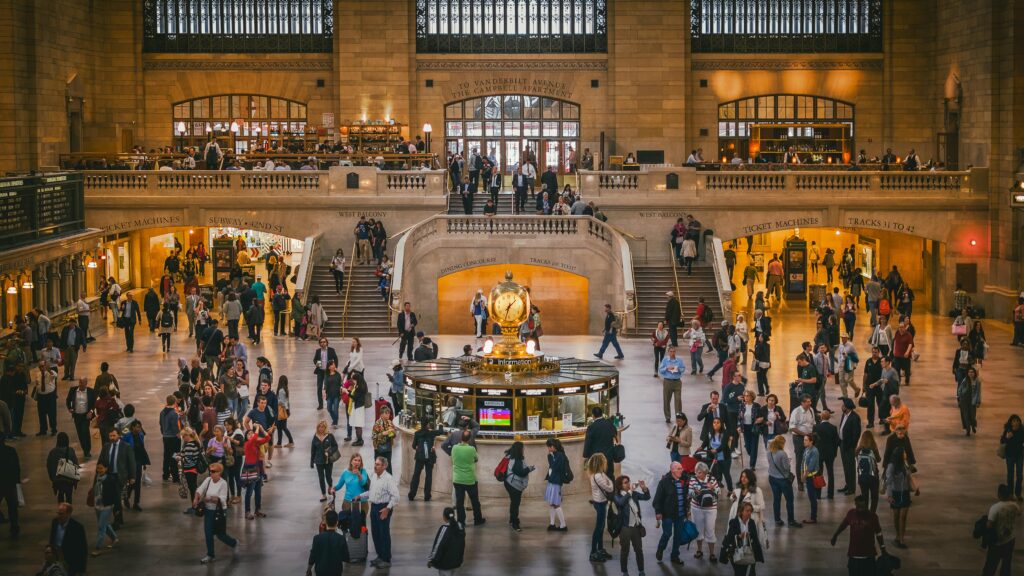
Another high traffic opportunity comes from transit hubs like airports, bus stations, subway platforms, and train terminals. Travelers and commuters frequently buy something small while rushing to catch a ride or waiting during long delays. These environments naturally encourage impulse purchases because people want something fast and often lack other convenient options. Placing machines near entrances, ticket counters, waiting areas, or boarding zones helps capture consistent foot traffic throughout the day. Transit hubs also open the door to selling travel friendly products that might not move as well elsewhere, such as gum, mints, sanitizer, tissues, and small comfort items for long trips.
Retail settings like shopping malls and large stores also offer strong vending potential. Shoppers spend long stretches browsing, standing in lines, or walking across large buildings. At some point, most people want a quick drink or snack to keep going. Vending machines do well near mall entrances, in long hallways, close to food courts, or near popular stores that experience heavy foot traffic. Large retail chains sometimes allow vending machines near the front of the store or inside rest areas. These placements often benefit from weekend crowds and holiday shopping rushes, which can significantly boost sales during peak seasons.
Residential buildings are increasingly becoming profitable locations as well. Large apartment complexes, student housing, and luxury communities all include common spaces where residents gather. Laundry rooms, lounges, pool areas, fitness centers, and clubhouses make natural vending spots. These machines may not always deliver the highest daily volume, but they often provide steady and predictable sales. Residents appreciate the convenience of grabbing a drink or snack without needing to leave the property, especially during late evenings or while doing chores like laundry.
Once you start looking for placements, visibility becomes the biggest factor. A vending machine only performs well when people can clearly see it. A hidden corner or dim hallway usually produces much less revenue than a brightly lit space that people naturally walk through. Accessibility matters just as much. A machine that sits behind a locked door after business hours or in a spot that requires extra effort to reach may see reduced sales even if the building itself is busy.
Another part of choosing the best places to put a vending machine is understanding the audience in each environment. Every location has its own buying habits. Office workers want caffeine and bite sized snacks. Students look for energy and affordability. Gym members prioritize protein and hydration. Travelers want convenience and small comfort items. When your product selection matches the needs of the people using the space, sales climb steadily and repeat purchases become common.
Some operators also think about dwell time, which is the amount of time people stay in one area. Longer waits usually lead to more purchases. Waiting rooms, lobbies, lounges, and transportation hubs create ideal opportunities for this reason. Break rooms and student lounges often perform well for the same reason: people gather, talk, relax, and often buy something without much planning.
Outdoor vending can work too, though it brings added challenges. Machines need proper protection from weather, secure placement to prevent vandalism, and a stable power source. Parks, recreation centers, and outdoor event areas can be profitable if they attract steady crowds, but operators must plan carefully to avoid equipment issues.
Most operators grow their business by starting small and studying performance. One machine in a strong location can show whether the area has long term potential. If sales are high, adding a second machine can significantly increase revenue. Beverage machines often pair well with snack machines because many customers buy both at once. Over time, tracking sales helps refine which placements are worth expanding.
In the end, vending machine success comes down to convenience, visibility, and an understanding of the people who use the location. By focusing on strong environments like offices, schools, hospitals, gyms, transit hubs, retail centers, and residential complexes, operators create reliable revenue streams and avoid unnecessary guesswork. Good locations give machines the best chance to perform, creating long term growth and dependable profits.
FAQ: Best Places to Put a Vending Machine
Q: How do I find high performing vending locations?
A: Look for places with steady foot traffic, long wait times, and people who value quick convenience. Offices, schools, hospitals, gyms, and transit hubs are some of the best options.
Q: Can I place a machine in a private business?
A: Yes. Most operators reach out to business owners to arrange placement, usually in exchange for a commission or small fee.
Q: Does the type of location affect which products I should stock?
A: Absolutely. Each location has different buying habits. Gyms prefer protein and hydration items, while offices and schools lean toward snacks and drinks.
Q: Are outdoor vending locations worth it?
A: They can be, but they require weatherproof machines, good security, and careful placement to prevent damage or theft.
Q: Should I put more than one machine in the same location?
A: Start with one. If sales are strong and foot traffic is high, adding a second machine for drinks or specialty products can boost revenue.
Check out some of our other articles:
Vending Machine Initial Investment and ROI Expectations
Starting a vending machine business is an appealing way to generate passive income…
Cantaloupe vs Nayax: Choosing the Right Vending Machine Payment System
For vending machine operators, selecting the right cashless payment system is crucial…
Dixie Narco 501E Vending Machine Review: Features, Pros, and Cons
The Dixie Narco 501E vending machine is a widely recognized choice for operators seeking…