Choosing the Right Type of Vending Machine: A Complete Guide
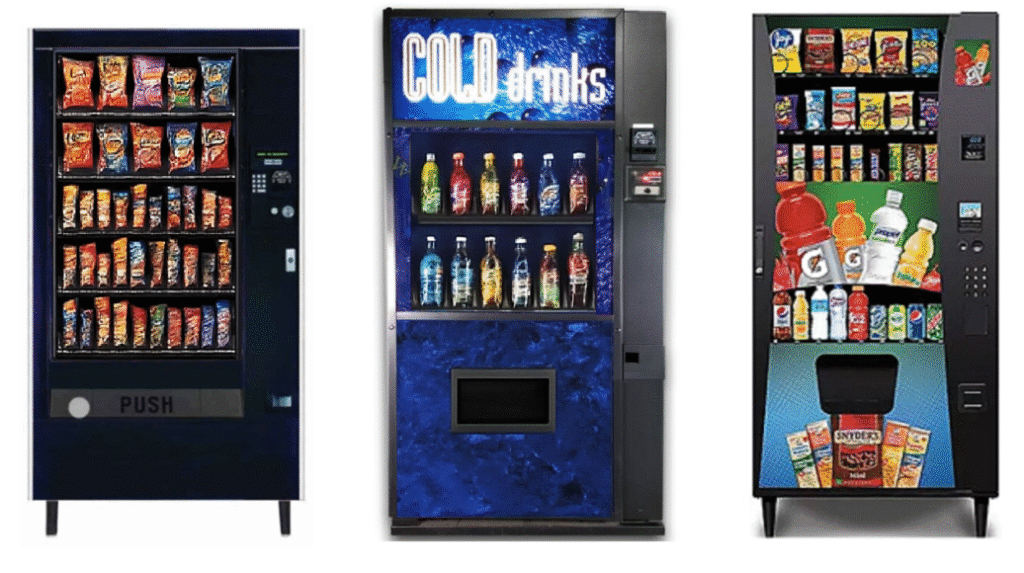
Selecting the right type of vending machine is one of the most important decisions any vending operator can make. The machine you choose directly affects revenue, customer satisfaction, restocking frequency, maintenance costs, and overall operational efficiency. With a growing variety of machines available today, including traditional snack and beverage dispensers, healthy food options, fresh food and refrigerated units, and smart vending machines, matching the type of machine to your location and target audience is critical. Understanding these factors helps operators create a system that not only meets customer needs but also supports long term profitability.
The first step in choosing the right vending machine is evaluating the location. Each environment has unique characteristics and customer behaviors that influence which machine type will perform best. High traffic areas such as office buildings, schools, hospitals, gyms, apartment complexes, and transit hubs have different demands. For example, a large office building may benefit from a combination of snack and beverage machines placed in break rooms and lobby areas. Employees often seek quick access to coffee, soda, bottled water, energy drinks, and snacks between meetings or during breaks. A gym or fitness center, on the other hand, may see higher sales from machines stocked with protein bars, bottled water, electrolyte drinks, or healthier snack alternatives. Schools require careful attention to nutrition guidelines and age appropriate products. Understanding the demographics, peak traffic times, and patterns of each location ensures that the vending machine meets the expectations of its users while maximizing sales potential.
Product selection is closely linked to location, but it also depends on trends in consumer behavior. Traditional snack machines continue to perform well with items like chips, candy, and cookies. Beverage machines remain popular with sodas, bottled water, iced tea, and energy drinks. However, smart vending machines provide opportunities to expand beyond packaged items. They allow operators to offer fresh foods, specialty beverages, and interactive product displays. Some machines even provide hot drinks, sandwiches, or salads, which can attract users who prefer convenience and healthier alternatives. Hybrid machines that combine snacks and beverages in a single unit give operators flexibility in environments where customer preferences vary widely, such as hospitals or transit hubs. By offering products tailored to the audience, operators can increase repeat usage and improve overall profitability.
The payment system is another important consideration when choosing a vending machine. While coin and bill mechanisms are still widely used, cashless and mobile payment options are becoming increasingly popular. Customers often expect the convenience of credit cards, debit cards, or mobile wallets. Machines equipped with cashless payment systems and telemetry allow operators to monitor sales, track inventory, and schedule restocking in real time. This technology not only reduces operational costs but also minimizes downtime and improves the overall user experience. Understanding the payment preferences of your target audience is essential. For instance, office workers and transit travelers are more likely to use contactless payments, while some school environments may still rely on cash for student purchases.
Machine size and capacity also influence performance and efficiency. Smaller machines are easier to install, take up less space, and are ideal for locations with limited foot traffic. Larger machines can hold more products and are often better suited for high traffic areas, reducing the frequency of restocking trips and increasing potential revenue. Refrigerated units are essential for perishable items such as fresh food, beverages, or protein shakes, whereas simple mechanical machines may suffice for packaged snacks. Operators should also consider the space available at the location, ease of access for maintenance, and potential obstructions that could affect visibility or accessibility. Proper placement combined with the right machine size ensures that users notice the machine, can reach it easily, and are more likely to make a purchase.
Maintenance, reliability, and vendor support are key to long term success. A vending machine that frequently breaks down or experiences malfunctions can quickly damage customer confidence and reduce sales. Choosing machines from reputable manufacturers with robust service support and easily replaceable parts minimizes downtime and keeps machines profitable. For operators managing multiple machines across different sites, features such as telemetry and remote monitoring are critical. These tools allow operators to track inventory, monitor machine health, and address issues proactively without constant physical checks. Reliable machines and responsive support not only protect your investment but also enhance the customer experience by ensuring that products are consistently available and the machine is functioning properly.
Another consideration is customization and branding. Modern vending machines allow for branding or themed designs that can align with the location or business. For example, gym machines can promote fitness and health, while office machines can feature professional, clean aesthetics that fit in with the workplace environment. Some smart machines also provide opportunities for interactive promotions or digital displays that inform customers about new products, special offers, or nutritional information. These features can increase engagement and encourage repeat purchases.
Finally, operators should evaluate the expected return on investment based on a combination of location, machine type, product selection, and technology. High traffic areas may justify investment in larger, more advanced machines, while lower traffic environments may benefit from smaller, simpler machines with lower upfront costs. Balancing operational efficiency, product variety, and customer satisfaction is important to create a profitable vending operation. Over time, monitoring sales patterns, customer feedback, and inventory turnover allows operators to adjust machine types, products, and placement strategies to optimize revenue and reduce waste.
FAQ: Choosing the Right Vending Machine
Q1: How do I know which vending machine is best for my location?
A: Evaluate foot traffic, customer demographics, and purchasing habits. High traffic areas may benefit from larger machines with diverse products, while smaller or specialized locations may perform better with compact machines or targeted items.
Q2: Are smart vending machines worth the investment?
A: Yes. Smart machines offer cashless payments, telemetry, and interactive features that increase sales and reduce operational costs. They are valuable even for small operators looking to improve efficiency.
Q3: Should I offer healthy or traditional snack options?
A: This depends on your audience and location. Gyms and health focused offices may prefer healthier options, while schools and high traffic office buildings often respond well to traditional snacks and beverages.
Q4: Do larger machines always generate more revenue?
A: Not always. Larger machines can carry more products, but factors like placement, product selection, visibility, and payment options often have a bigger impact on sales.
Q5: How important is vendor support and maintenance?
A: Very important. Reliable vendor support ensures fast repairs, proper maintenance, and access to replacement parts, minimizing downtime and keeping machines profitable.
Choosing the right vending machine involves more than just selecting a unit that holds snacks or drinks. Operators must carefully balance location, product offerings, payment systems, machine size, reliability, and support. Understanding the target audience, predicting demand, and considering operational logistics all contribute to selecting a machine that maximizes revenue while keeping customers satisfied. By investing in the right type of vending machine, operators can streamline management, reduce maintenance challenges, and create a sustainable, profitable vending business that adapts to changing trends and customer preferences.
Check out some of our other articles:
Vending Machine Initial Investment and ROI Expectations
Starting a vending machine business is an appealing way to generate passive income…
Cantaloupe vs Nayax: Choosing the Right Vending Machine Payment System
For vending machine operators, selecting the right cashless payment system is crucial…
Dixie Narco 501E Vending Machine Review: Features, Pros, and Cons
The Dixie Narco 501E vending machine is a widely recognized choice for operators seeking…