Coffee Vending Machines: A Complete Overview
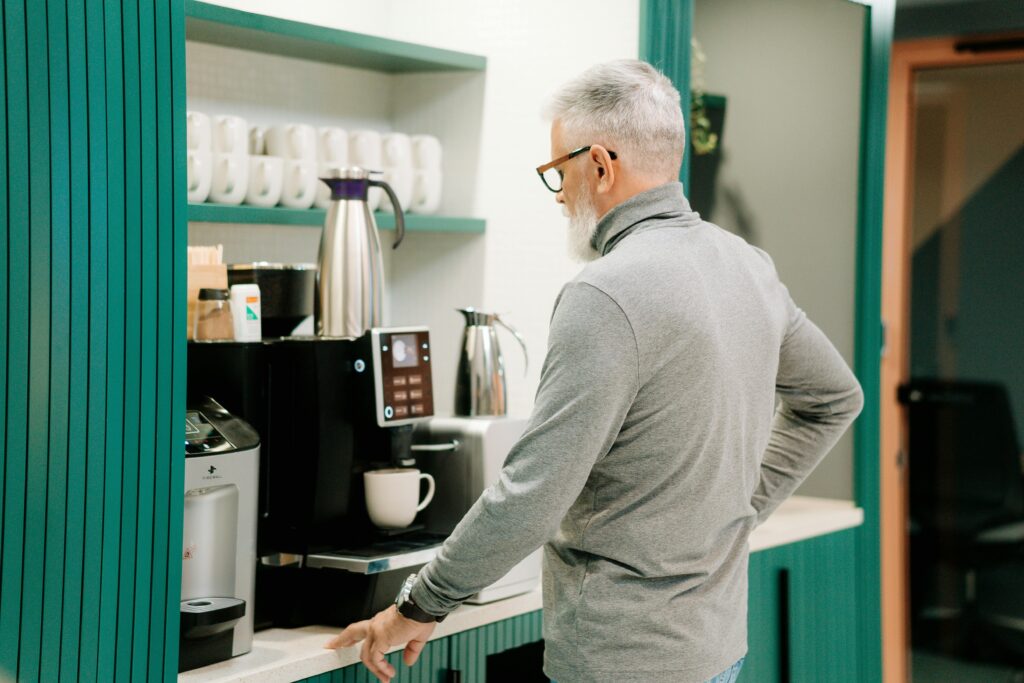
Coffee vending machines are among the most popular and profitable types of vending machines found in offices, schools, gyms, hotels, and other public spaces. With the growing demand for convenient, quality coffee, these machines offer operators a reliable revenue stream while catering to consumers who want quick access to their favorite beverages. Success in this niche requires understanding the different types of coffee vending machines, how to operate and maintain them, and best practices for maximizing profitability.
The first step in building a coffee vending business is choosing the right type of machine for your location. Coffee vending machines vary widely, from traditional bean to cup models, which grind coffee on demand, to instant coffee machines that are simpler, faster, and easier to maintain. Bean to cup machines offer a fresher coffee experience, making them ideal for high traffic areas where customers expect quality, such as office break rooms, hotel lobbies, or university campuses. Instant machines, while less sophisticated, are often suitable for smaller locations or areas where speed is more important than variety. Some machines also provide specialty beverages such as lattes, cappuccinos, hot chocolate, or even flavored coffees. Considering your target audience’s preferences is critical to choosing a machine that meets expectations and drives sales.
Stocking and maintenance are essential to the success of a coffee vending machine business. Operators need to ensure machines are regularly refilled with coffee beans, instant coffee, milk powder or fresh milk, sugar, cups, stirrers, and other necessary supplies. Water quality is also important, as poor water can impact taste and damage internal components. Filters, grinders, and other parts must be cleaned according to manufacturer recommendations to maintain consistent flavor and prevent breakdowns. Many modern machines include smart telemetry features that allow operators to monitor inventory levels, track sales patterns, and receive maintenance alerts remotely. This technology can save time, reduce unnecessary trips to machines, and ensure popular items are always available, which ultimately increases revenue.
Location selection plays a critical role in profitability. Coffee vending machines perform best in high traffic areas where employees, students, or visitors are likely to purchase beverages throughout the day. Offices, schools, gyms, hotels, hospitals, and transit centers are excellent examples of such locations. Machines should be placed in easily accessible spots that are well marked with clear signage. For locations with multiple beverage options, offering premium coffee or specialty drinks can differentiate your machine and attract more customers. For example, a hotel lobby might benefit from a machine that offers cappuccinos and hot chocolate, while a gym might do better with high protein coffee options or energizing beverages.
Pricing and promotions are another key component of maximizing profits from coffee vending machines. Offering a mix of affordable options and premium beverages can help appeal to a broad range of customers and encourage repeat purchases. Seasonal flavors or limited time promotions, such as pumpkin spice lattes in the fall or iced coffee in the summer, can generate interest and increase sales. Tracking sales trends over time allows operators to adjust product offerings and pricing strategies to match demand, ensuring the machine remains profitable. Flexibility in pricing and the ability to introduce new products based on trends or customer feedback can make a significant difference in long term performance.
Marketing and visibility are also important considerations for coffee vending machines. Even in high traffic areas, a machine that is hard to see or lacks clear instructions may underperform. Bright signage, clear instructions on how to use the machine, and visible pricing can encourage more purchases. Some operators enhance their machines with digital displays or advertising screens, which can generate additional revenue or simply make the machine more noticeable. In office settings, companies may be willing to allow branded promotions or employee loyalty programs, further increasing engagement and sales.
Operators should also consider operational efficiency to maximize ROI. Regularly monitoring sales patterns and inventory levels helps prevent machines from running out of popular items or sitting idle due to technical problems. Smart machines with telemetry can report low stock, potential malfunctions, or cashless payment errors in real time, reducing downtime and ensuring consistent customer satisfaction. Even basic machines require a schedule for cleaning, refilling, and inspection, as neglecting these tasks can result in machine failures, customer complaints, or lost revenue.
Understanding the customer base is another factor that can influence profits. In office environments, employees may prefer quick, hot beverages such as coffee, espresso, or cappuccinos, often between meetings or during breaks. In gyms or wellness centers, customers may be interested in healthier options, including coffee with added protein, decaf options, or flavored drinks with lower sugar content. Schools or universities may see higher demand for traditional coffee, hot chocolate, or iced beverages. By tailoring the product selection to the specific audience, operators can maximize usage and customer satisfaction.
Financial planning is also critical when operating coffee vending machines. Startup costs vary depending on machine type, location, and features. Traditional bean to cup machines can range from $2,000 to $10,000 per unit, while instant coffee machines may cost $1,000 to $5,000. Used machines can provide a lower cost entry point but may require maintenance or upgrades. Additional costs include initial inventory, transportation equipment, permits, insurance, and software subscriptions if using smart vending technology. Operators should plan for ongoing expenses such as restocking, maintenance, and utilities. By carefully managing both costs and revenue, a coffee vending machine business can generate consistent profits and achieve a strong return on investment.
Finally, scaling the business involves adding more machines strategically as revenue grows. High performing locations can support multiple units, or operators can explore other nearby sites with similar traffic patterns. Smart machines allow operators to manage multiple machines efficiently, reducing time spent on monitoring and maintenance. Over time, a coffee vending business can evolve from a small side venture into a larger operation capable of generating substantial passive income.
FAQ: Coffee Vending Machines
Q1: Are coffee vending machines profitable?
A: Yes. High traffic locations with proper product selection and maintenance can make coffee vending machines a consistent and reliable revenue source.
Q2: What types of coffee vending machines are available?
A: Bean to cup machines, instant coffee machines, and specialty beverage machines offering drinks like lattes, cappuccinos, and hot chocolate are the main options.
Q3: How often should coffee vending machines be maintained?
A: Maintenance should occur daily or weekly depending on usage, including cleaning, refilling, and checking water quality, filters, and grinders according to manufacturer guidelines.
Q4: Can smart coffee vending machines help operators?
A: Yes. Smart machines with telemetry allow operators to monitor inventory, track sales, and receive alerts for maintenance, improving efficiency and reducing downtime.
Q5: Where should coffee vending machines be placed?
A: High traffic areas such as offices, schools, gyms, hotel lobbies, hospitals, and public spaces maximize visibility, usage, and profitability.
Coffee vending machines offer a convenient solution for consumers while providing a steady income stream for operators. By selecting the right machine type, maintaining it regularly, choosing strategic locations, leveraging smart technology, and understanding customer preferences, operators can create a successful and profitable coffee vending business. With careful planning and attention to detail, coffee vending machines can provide both passive income and opportunities for long term business growth.
Check out some of our other articles:
Vending Machine Initial Investment and ROI Expectations
Starting a vending machine business is an appealing way to generate passive income…
Cantaloupe vs Nayax: Choosing the Right Vending Machine Payment System
For vending machine operators, selecting the right cashless payment system is crucial…
Dixie Narco 501E Vending Machine Review: Features, Pros, and Cons
The Dixie Narco 501E vending machine is a widely recognized choice for operators seeking…