How Much Does It Cost to Start a Vending Machine Business?

Starting a vending machine business is a popular way to create a passive income stream, but understanding the startup costs is essential for planning and long term success. The total investment depends on several factors, including the type and number of machines, product selection, location, and any additional equipment or services needed to operate efficiently. By having a clear picture of the upfront costs, operators can budget accurately, avoid unexpected expenses, and set realistic goals for profitability.
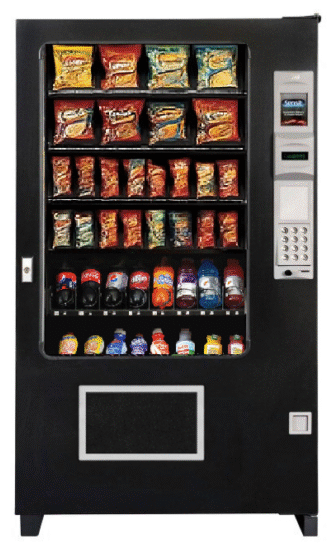
The largest initial expense for most vending businesses is usually the machines themselves. Traditional snack or beverage machines can range from $1,500 to $5,000 for new units, depending on their size, features, and manufacturer. For cost conscious operators, used machines can be a good option, often priced between $500 and $2,000. While these machines are more affordable, they may require repairs, upgrades, or a full refurbishment to ensure reliable operation. Investing in smart vending machines is increasingly popular. These machines typically cost between $3,000 and $10,000 but offer advanced features such as cashless payments, telemetry, and remote monitoring. The higher upfront cost is often offset by improved sales potential, reduced downtime, and easier route management for operators handling multiple machines.
In addition to purchasing machines, inventory costs are important to understand. Stocking a vending machine with snacks, beverages, or specialty items can range from $100 to $500 per machine initially, depending on the variety and quantity of products. This initial investment ensures that the machines are fully stocked and attractive to customers from day one. Restocking is an ongoing cost and usually occurs on a weekly or biweekly schedule based on sales volume. Operators should also account for refrigeration if selling fresh foods or temperature sensitive items, as well as packaging, storage, and proper organization of inventory between restocks. Poor inventory planning can result in wasted products, lost sales, or customer dissatisfaction, so operators should treat inventory management as a core component of startup costs and daily operations.
Location fees and agreements also influence startup costs. Some businesses, schools, or apartment complexes require a flat monthly rental fee for placing a machine on site, while others prefer a revenue sharing model, typically ranging from 5 to 15 percent of sales. Negotiating fair and mutually beneficial terms is important, as overly high location fees can eat into profits. Insurance is another essential expense that is often overlooked by new operators. Protecting machines against theft, vandalism, or liability is critical, and policies typically cost between $300 and $800 per year. While this may seem like an extra cost, insurance provides peace of mind and financial protection, especially when managing multiple machines across different locations.
Technology and software are increasingly important in modern vending operations. Many operators use telemetry and remote monitoring systems, which provide real time information about inventory levels, sales, and machine health. These tools allow operators to plan restocking routes efficiently, reducing unnecessary service trips and keeping machines consistently stocked. Software subscriptions can range from $20 to $50 per month per machine, but the investment often pays off in reduced downtime, improved customer satisfaction, and increased revenue. Additionally, operators may choose to invest in mobile apps or digital marketing to engage customers and promote specialty items, which can further enhance profitability.
Considering all of these factors, a small vending machine business with three to five machines can often be launched for $3,000 to $10,000. This estimate includes the cost of machines, initial inventory, basic equipment, and startup necessities. Operators who choose high tech smart machines or aim for a larger scale operation may require $20,000 or more. The key to a successful investment is careful planning. Researching profitable locations, understanding the preferences of the target audience, and selecting the right mix of machines and products are critical steps. Even a modest initial investment can produce strong returns if operators focus on strategic placement, quality products, and efficient operations.
Another important consideration is the ongoing operational costs beyond the initial startup. Restocking, machine maintenance, electricity, and occasional repairs all contribute to monthly expenses. Operators should anticipate these costs and include them in their overall financial planning to ensure that each machine remains profitable. Regular maintenance not only protects the operator’s investment but also improves customer experience. Machines that are consistently stocked, clean, and operational encourage repeat use and help build trust with location owners. Malfunctioning or empty machines, on the other hand, can lead to lost sales and can strain relationships with business partners.
Operators should also consider scalability when evaluating startup costs. While a small setup can generate initial income, expanding to multiple machines in various locations can increase revenue significantly. Scaling requires additional investment in machines, inventory, transportation, and staff if necessary. Using telemetry and remote monitoring becomes even more valuable in larger operations, allowing operators to manage multiple machines efficiently, monitor performance in real time, and adjust inventory and product selection based on actual sales trends. Operators who plan for growth from the beginning often experience smoother expansion and better long term profitability.
Marketing strategies can also impact sales and startup success. Simple signage, product promotions, or seasonal items can attract attention and encourage repeat purchases. High demand items or specialty products can increase per transaction sales, which may reduce the number of machines needed to reach desired revenue targets. By combining effective location selection, quality products, and marketing strategies, operators can maximize their return on investment while minimizing the risks associated with startup costs.
In summary, starting a vending machine business requires careful attention to multiple factors that contribute to the total startup cost. Machines, inventory, location fees, insurance, transportation equipment, and software are all important elements to consider when planning an investment. While it is possible to begin with a modest budget, operators who invest wisely in quality machines, efficient technology, and strategic locations are more likely to achieve consistent revenue and long term success. Careful planning, combined with operational efficiency and attention to customer preferences, sets the foundation for a profitable and scalable vending business.
FAQ: Vending Machine Business Startup Costs
Q1: Can I start a vending machine business with less than $1,000?
A: It is possible with used machines and limited inventory, but starting with a higher investment allows for better quality machines and more product variety, which can improve revenue and reliability.
Q2: How much do smart vending machines cost compared to traditional ones?
A: Smart vending machines typically cost between $3,000 and $10,000, while traditional snack or beverage machines cost $1,500 to $5,000. Smart machines provide cashless payments, telemetry, and remote monitoring, which can enhance profitability.
Q3: Are location fees always required?
A: Not always. Some businesses allow free placement if you share a percentage of sales, while others charge a flat monthly fee. It is important to confirm terms with the location owner before placing a machine.
Q4: How much should I budget for initial inventory?
A: Initial inventory per machine generally costs $100 to $500, depending on the type and quantity of products. Ongoing restocking is an additional expense based on sales volume and machine popularity.
Q5: Is insurance necessary for a vending machine business?
A: Yes. Insurance protects against theft, vandalism, and liability, and is typically a small but essential cost relative to the overall investment.
Starting a vending machine business involves more than simply purchasing a machine and placing it in a location. By carefully planning for machines, inventory, location fees, insurance, transportation, and technology, operators can build a scalable and profitable operation. Understanding startup costs in detail ensures realistic expectations, reduces risk, and lays the groundwork for long term success in the vending industry.
Check out some of our other articles:
AMS-39 Vending Machine Review: Is It the Right Choice for Your Route?
When you’re evaluating combo vending machines, the AMS-39 often…

Coin Collectors for Vending Machines: The Complete Guide
A reliable coin collector is one of the most important components of…

Novelty Vending Machines: A Complete Guide for Operators
Novelty vending machines offer unique items such as toys, collectibles…