Coin Collectors for Vending Machines: Overview and Tips
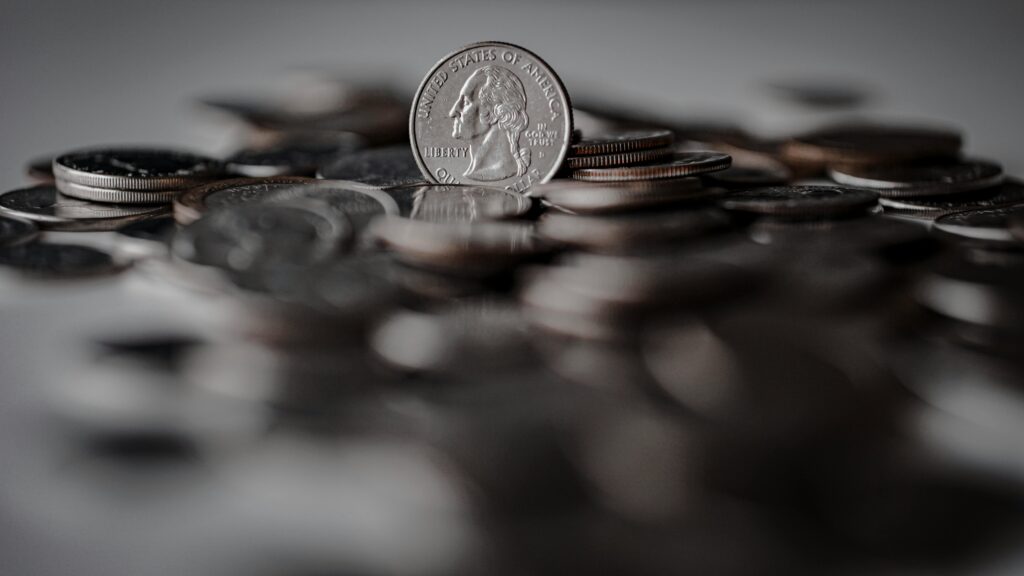
A reliable coin collector is one of the most important components of a vending machine, and despite the growing popularity of cashless payment systems, coins remain a preferred payment method for many customers. Whether it is a child buying a snack at school, a commuter grabbing a quick drink at a transit hub, or a visitor at a hospital cafeteria, coins are still widely used. For operators, this means that a dependable coin collector is essential not only for maximizing sales but also for ensuring smooth and secure transactions. Coin collectors, also known as coin mechanisms or coin acceptors, are designed to accept, validate, and sort coins, allowing vending machines to function efficiently while preventing fraud, jams, or customer frustration.
A coin collector works by using a combination of sensors and mechanical components to verify a coin’s authenticity. When a customer inserts a coin, the mechanism checks its size, weight, and metal composition. These details are compared against preset standards to determine if the coin is valid. Accepted coins are routed into the machine’s cash box, while invalid or counterfeit coins are rejected and returned to the customer. This process happens quickly and seamlessly, ensuring that customers can complete their purchases without delay. Modern coin collectors are designed to handle multiple denominations, and many can be updated to recognize new coin designs. This versatility makes them suitable for a wide range of vending environments, from schools and offices to entertainment venues and transportation hubs.
Choosing the right coin collector requires careful thought. Compatibility with the vending machine is the first consideration, as not all collectors fit every model. Operators should also look at the range of coins supported, since some machines may need to accept higher value coins such as dollar coins in addition to nickels, dimes, and quarters. Durability is another key factor, especially in high traffic locations where machines are used frequently throughout the day. A reliable coin collector reduces downtime, prevents jams, and ensures a better customer experience. Popular models from manufacturers like MEI, Coinco, and Conlux are widely trusted in the industry for their precision and ease of maintenance, making them common choices among operators who want dependable performance.
Maintenance is critical to keeping coin collectors functioning properly. Over time, dust, dirt, and debris can build up inside the mechanism, interfering with sensors and causing coins to be rejected. Regular cleaning with manufacturer approved cleaning cards or solutions helps maintain accuracy and prevents unnecessary rejections. Operators should also inspect the coin path, check for worn parts, and ensure that screws and wiring connections remain secure. Periodic inspections not only prevent malfunctions but also extend the lifespan of the device. In high traffic locations, more frequent cleaning may be necessary to keep machines running smoothly. By staying proactive with maintenance, operators can avoid costly downtime and keep customers satisfied.
Beyond basic functionality, coin collectors contribute to overall operational efficiency. They reduce the need for manual cash handling, streamline accounting, and provide secure storage for coins inside the machine. Many modern coin collectors can also integrate with telemetry systems, allowing operators to monitor coin levels remotely. This feature is especially valuable for operators managing multiple machines, as it helps optimize service routes, reduce unnecessary visits, and improve overall profitability. By combining secure cash handling with smart technology, coin collectors provide both peace of mind and practical benefits.
Even with the rise of cashless payments, coin collectors remain essential. While mobile wallets and credit cards are convenient, coins are still widely used, particularly in schools, hospitals, and public spaces where customers may not always have access to cashless options. Offering both cash and cashless payment methods ensures that vending machines remain accessible to everyone, maximizing revenue and customer satisfaction. Ignoring coin payments could mean losing a significant portion of potential sales, especially in areas where coins are still the most common form of payment.
The future of coin collectors is closely tied to advancements in vending technology. As machines become smarter and more connected, coin collectors are evolving to integrate seamlessly with telemetry systems, mobile payment platforms, and advanced security features. Some models now include self diagnostic tools that alert operators to potential issues before they cause downtime. Others are designed to be more energy efficient, reducing operating costs while maintaining performance. These innovations highlight the ongoing importance of coin collectors in a vending industry that continues to adapt to changing consumer habits.
For operators, investing in a high quality coin collector is not just about handling coins. It is about ensuring customer satisfaction, protecting revenue, and maintaining the reputation of their vending business. A machine that consistently rejects valid coins or suffers from frequent malfunctions can quickly frustrate customers and drive them away. On the other hand, a machine equipped with a reliable coin collector creates a seamless experience that encourages repeat use. By combining proper machine selection, routine maintenance, and smart technology integration, operators can build a vending business that is both profitable and customer friendly.
FAQ: Coin Collectors for Vending Machines
Q1: Can a coin collector accept all U.S. coins?
A: Most modern coin collectors accept nickels, dimes, quarters, and sometimes $1 coins. Always check the model specifications for supported denominations.
Q2: How often should I clean a coin collector?
A: Cleaning is recommended every 1–2 months, or more frequently in machines with high usage, to prevent jams and sensor issues.
Q3: Why does my coin collector reject valid coins?
A: Rejections are usually caused by dirt, worn parts, or misalignment. Regular maintenance and cleaning typically resolve these issues.
Q4: Can coin collectors be retrofitted into older machines?
A: Yes, many modern coin collectors are compatible with older vending machines, but retrofitting may require minor adjustments or additional hardware.
Q5: Are coin collectors still necessary with cashless payments?
A: Yes. While cashless systems are popular, many customers still use coins, and offering both payment options maximizes revenue and convenience.
Investing in a reliable coin collector ensures smooth, secure transactions, minimizes downtime, and enhances customer satisfaction. By selecting the right model, performing routine maintenance, and keeping components clean, vending machine operators can optimize operations, reduce service interruptions, and increase revenue from coin paying customers. As vending technology continues to evolve, coin collectors remain a vital part of ensuring accessibility, efficiency, and profitability in the industry.
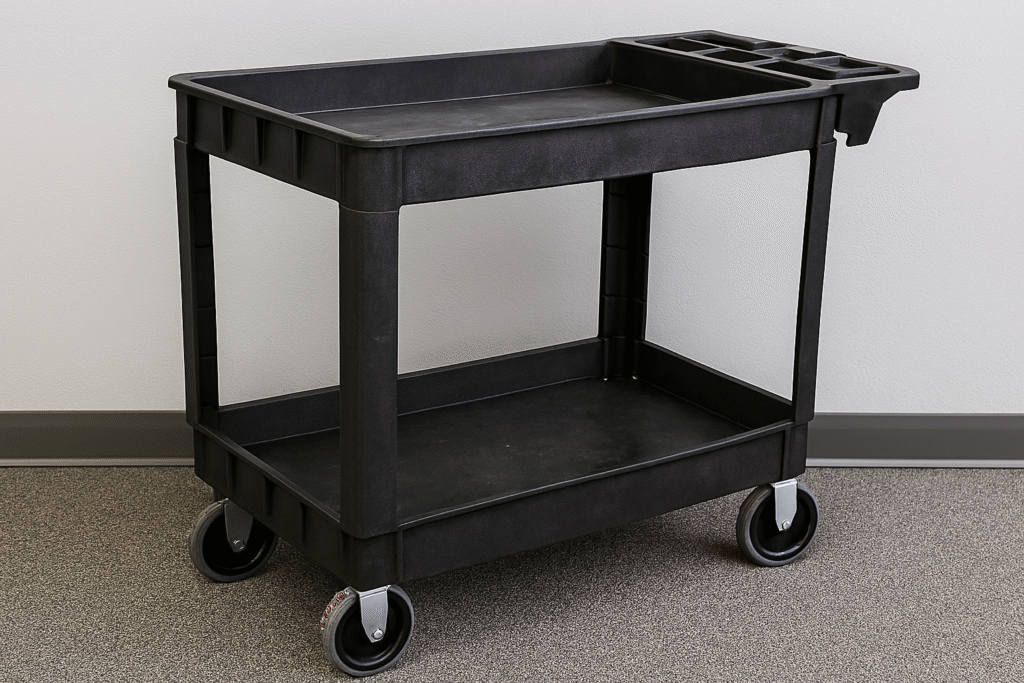
Vending Carts: The Complete Guide for Vending Machine Operators
For vending machine operators, vending carts are an essential tool…
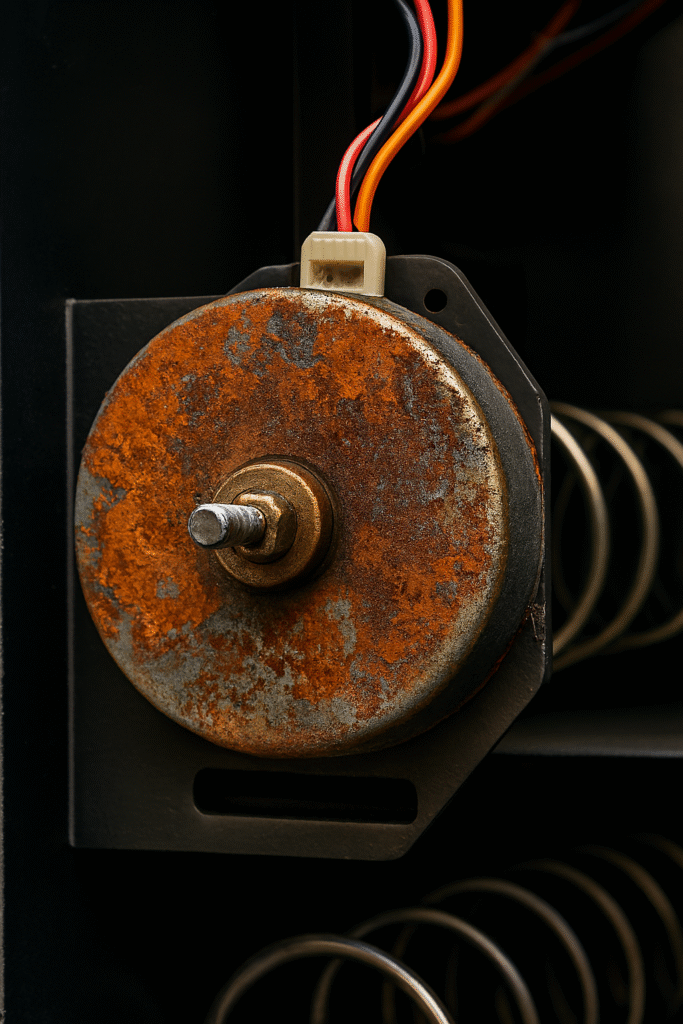
Vending Machine Motor Jams: Causes, Prevention, and Solutions
Motor jams are a common issue for vending machine operators and can significantly…
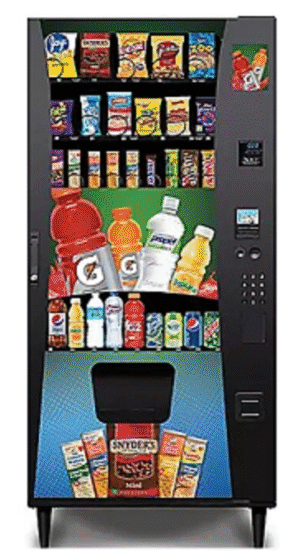
Selectivend Advantage Plus Vending Machine Review: Is It Right for Your Combo Route?
Vending operators who need both snacks and beverages from a single…