How to Start a Vending Machine Business: A Step-by-Step Guide

Starting a vending machine business is a popular and can be a profitable way to earn passive income. Unlike many traditional businesses, vending machines can operate around the clock with minimal staff, making them ideal for entrepreneurs looking for scalable opportunities. However, while the concept is simple, success requires careful planning, strategic placement, and a thorough understanding of operational components. This guide will walk you through the steps to start a vending machine business and help you maximize your chances of achieving sustainable profits.
The first step in launching a vending machine business is researching the market and selecting your niche. Understanding where your customers are and what they want is crucial. High foot traffic areas such as office buildings, schools, hospitals, gyms, transit hubs, and apartment complexes offer opportunities for steady sales. Each location comes with its own set of considerations. Offices may favor snacks, coffee, and energy drinks, while gyms and fitness centers typically demand protein bars, bottled water, and healthier options. Schools may have nutrition regulations limiting sugary snacks, whereas hospitals might benefit from a combination of drinks, snacks, and convenience items for staff and visitors. Evaluating your target audience helps you identify the right products for each location, increasing the likelihood of consistent sales and customer satisfaction.
Once you understand the market, the next step is choosing the right vending machines. Traditional snack and beverage machines are a cost effective way to start, providing simple, reliable service for packaged items. Smart vending machines, on the other hand, come with advanced features such as cashless payment options, telemetry, and remote monitoring. These features allow operators to track inventory, sales trends, and machine health in real time, reducing unnecessary trips and downtime. While smart machines require a higher initial investment, they often lead to increased efficiency, better product availability, and higher revenue potential. Operators must also decide whether to purchase new or used machines. Used machines are less expensive and can be a great way to get started with limited capital, but they may require maintenance or upgrades to ensure reliability. New machines come with manufacturer warranties and often include modern features that appeal to today’s customers.
Securing strategic locations is another critical step. Placement agreements with property owners or managers determine how your machines will operate and what fees or commissions are involved. Some locations allow free placement in exchange for a percentage of sales, while others charge a flat monthly fee, and some are happy to have a well serviced machine in place with no fee. Negotiating fair agreements ensures that your machines are in high traffic areas without unnecessary overhead costs. Proper location selection can significantly impact revenue, as even the best machines will struggle in low traffic areas. Observing foot traffic patterns, understanding peak usage times, and considering visibility from entrances or common areas all play a role in choosing the optimal spot.
With machines and locations in place, focus shifts to maintenance and operational efficiency. Regular restocking based on sales trends ensures that machines are always fully stocked with items customers want. Cleaning machines is equally important, as hygienic and well maintained machines encourage repeat use and improve customer perception. Inspecting machines for mechanical issues on a regular basis prevents malfunctions that could disrupt service. Smart vending machines equipped with telemetry systems can alert operators when stock is low, a mechanical issue occurs, or a cashless transaction fails, which reduces unnecessary trips and allows operators to maintain consistent service. Investing in proper handling equipment, such as vending carts or dollies, also ensures that machines are moved safely during installation or service, preventing damage and injuries.
Setting up a legal and financial framework for your business is another critical step. Depending on your location, you may need a business license, tax registration, and permits related to vending or food sales. Some states or municipalities require health permits, particularly if machines dispense fresh or perishable items. Insurance is strongly recommended to protect your investment from theft, vandalism, or liability. In addition to legal considerations, proper accounting and record keeping are essential. Tracking revenue, expenses, and profitability allows operators to make informed decisions about expanding or adjusting their business strategies. It also ensures compliance with tax laws and helps identify areas where efficiency or revenue can be improved.
Marketing and customer engagement can enhance revenue even further. While vending machines operate passively, implementing promotions, seasonal items, or loyalty programs encourages repeat purchases. Machines with digital displays or interactive interfaces allow operators to advertise products, highlight specials, or offer discounts, increasing customer engagement. Observing sales data over time helps operators identify trends, understand which items sell best in each location, and adjust inventory accordingly. Offering products tailored to specific customer needs can increase satisfaction, improve sales per machine, and reduce the likelihood of items going unsold.
Understanding costs and budgeting is a fundamental part of starting a vending machine business. Startup costs typically range from $3,000 to $10,000 for a small operation with a few machines, including initial inventory, equipment, and basic setup. Larger operations or those utilizing smart vending machines may require $20,000 or more. Operators must also account for ongoing expenses, including product restocking, electricity, maintenance, insurance, location fees, and potential software subscriptions for telemetry and remote monitoring. Careful planning and budgeting allow operators to start with confidence and minimize financial risk.
Scaling the business is another consideration. Once you have a few machines operating successfully, adding additional units can increase revenue significantly. Scaling requires additional investment in machines, inventory, and potentially staff. With telemetry and remote monitoring, managing multiple machines becomes more efficient, as operators can monitor stock levels, sales, and machine health from a central location. Expanding into different types of locations, such as offices, gyms, or hospitals, diversifies income streams and reduces dependence on a single site.
In summary, starting a vending machine business is an accessible yet rewarding venture that can provide steady semi-passive income. Success requires careful planning, strategic placement, thoughtful product selection, and consistent maintenance. Entrepreneurs who approach the business methodically, maintain efficient operations, and stay attuned to customer preferences are more likely to achieve long term profitability and growth. With the right combination of machines, locations, and management practices, a vending machine business can scale into a significant source of income.
FAQ: How to Start a Vending Machine Business
Q1: How much money do I need to start a vending machine business?
A: Startup costs generally range from $3,000 to $10,000 for a small operation with a few machines. Larger operations or smart machines may require $20,000 or more.
Q2: Can I start with used vending machines?
A: Yes. Used machines are more affordable but may require maintenance or upgrades. Make sure they are in good working condition before purchase.
Q3: How do I choose the best locations for my machines?
A: Look for high traffic areas such as offices, schools, gyms, hospitals, or transit hubs. Negotiate placement agreements that provide visibility, accessibility, and profitability.
Q4: Do I need special permits or licenses?
A: Requirements vary by state or country. Most operators need a business license, and some locations may require health or vending permits. Insurance is also recommended to protect your investment.
Q5: Can a vending machine business be fully automated?
A: To a large extent, yes. Smart vending machines with telemetry and cashless payment options allow for remote monitoring, reducing the need for frequent visits and manual oversight.
Starting a vending machine business can be a profitable and scalable venture if approached with careful planning and strategic thinking. By selecting the right niche, machines, locations, and products, and by maintaining efficient operations, entrepreneurs can create a reliable source of passive income. With diligence and smart management, a small vending machine operation can grow into a larger, diversified business that consistently generates revenue while meeting the needs of customers across a variety of locations.
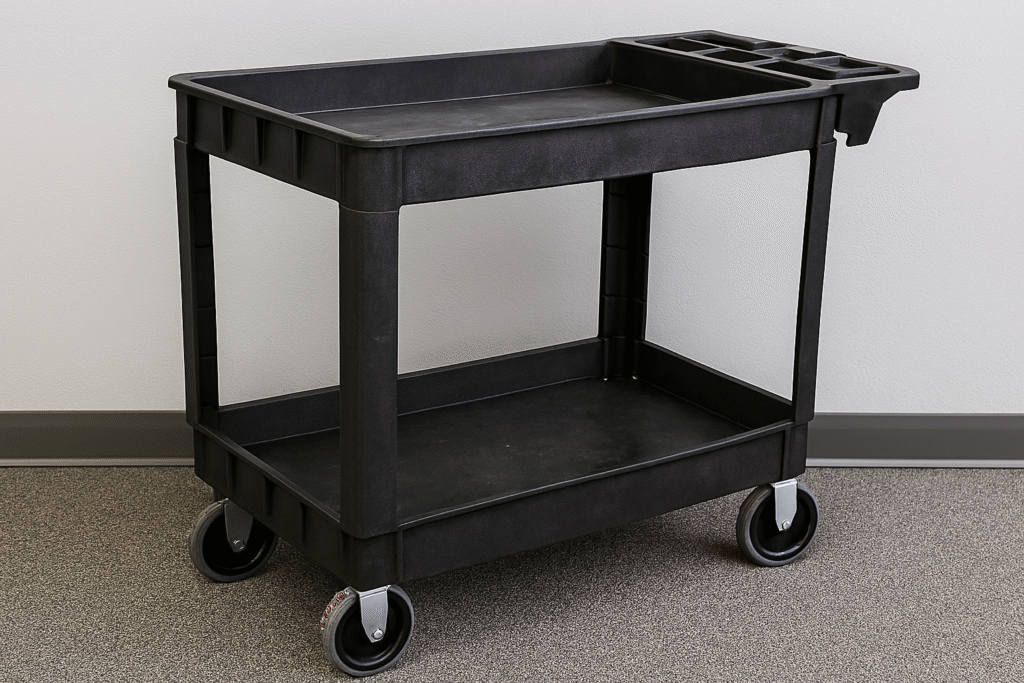
Vending Carts: The Complete Guide for Vending Machine Operators
For vending machine operators, vending carts are an essential tool…

Vending Machine Motor Jams: Causes, Prevention, and Solutions
Motor jams are a common issue for vending machine operators and can significantly…
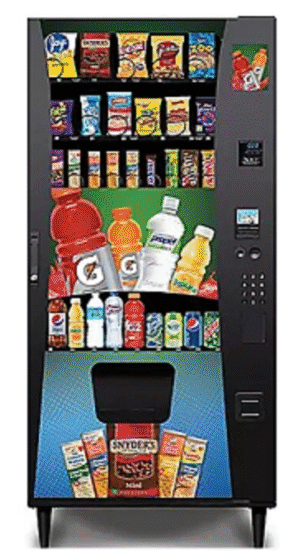
Selectivend Advantage Plus Vending Machine Review: Is It Right for Your Combo Route?
Vending operators who need both snacks and beverages from a single…