Vending Carts: The Complete Guide for Vending Machine Operators
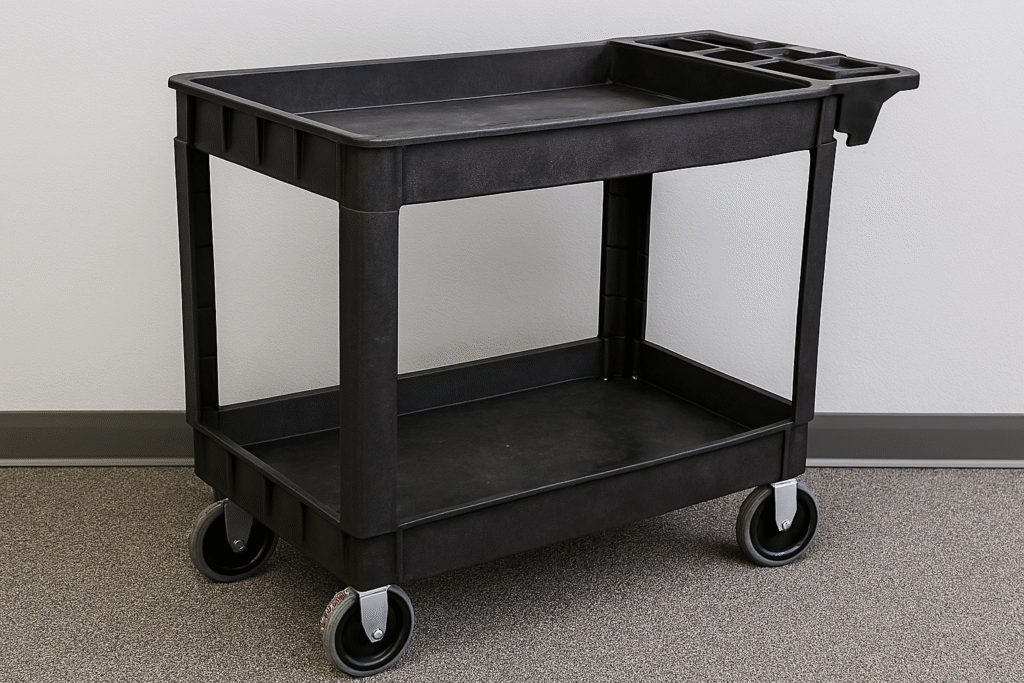
For vending machine operators, vending carts are more than just a convenience; they are an essential tool for transporting, installing, and servicing machines safely and efficiently. Whether you are working in offices, schools, hospitals, or public venues, vending carts help streamline operations, reduce the risk of injury, and protect your machines from damage during transport. Understanding the different types of vending carts, their benefits, and how to properly maintain and use them can significantly improve the overall efficiency of your vending business.
A vending cart is essentially a mobile platform designed to carry vending machines and related equipment. These carts vary in size and design, ranging from lightweight hand trucks that are perfect for smaller machines to heavy duty, motorized carts capable of transporting multiple machines at once. Most vending carts feature durable wheels, sturdy frames, and securing mechanisms to prevent machines from tipping during movement. Some advanced models even include adjustable platforms or straps to accommodate machines of different sizes, ensuring a secure fit for safe transportation. This adaptability makes vending carts suitable for a wide range of vending operations, from small businesses with a handful of machines to large scale operators managing dozens across multiple sites.
One of the main advantages of using a vending cart is safety. Moving heavy vending machines manually can cause serious injuries, such as back strain, muscle pulls, or slips and falls. Vending carts reduce the physical effort required to move machines and provide better control, minimizing the risk of accidents. They also protect the machines themselves from dents, scratches, or internal damage during relocation. For operators managing multiple machines across different sites, vending carts significantly improve workflow and reduce setup times. Instead of relying on multiple workers to lift and carry machines, a single operator with the right cart can move equipment quickly and safely.
Maintenance and proper use are crucial to extending the life of your vending cart. Regular inspections of wheels, casters, and brakes are necessary to ensure they remain in good condition. Lubricating moving parts helps prevent wear and tear, while tightening bolts and checking straps or securing mechanisms maintains stability, especially when transporting heavier machines. Keeping the cart clean from dust, dirt, and moisture will prevent corrosion and ensure smooth operation over time. Operators who neglect maintenance often find themselves dealing with breakdowns or instability, which can lead to damaged machines or unsafe working conditions.
When choosing a vending cart, several factors should be considered. Weight capacity is one of the most important, as carts must be able to safely support the machines being transported. Machine compatibility is another key factor, since not all carts are designed to handle every type of vending machine. The surface type of your locations also plays a role. Smooth indoor floors may only require standard wheels, while rough outdoor surfaces demand carts with larger, all terrain wheels for stability. Frequency of use is equally important. Lightweight hand trucks may be suitable for occasional transport of smaller machines, but heavy duty or motorized carts are better suited for operators who regularly move multiple machines or large refrigerated units.
Motorized vending carts are becoming increasingly popular among high volume operators. These carts reduce operator fatigue and make moving heavy machines much faster. While they require a larger upfront investment, the long term benefits in terms of efficiency and safety often outweigh the cost. For businesses managing dozens of machines across multiple sites, motorized carts can save hours of labor each week and reduce the risk of injury.
Another consideration is the environment in which the cart will be used. Outdoor locations with uneven terrain require carts designed for durability and stability. Models with larger wheels and reinforced frames are better suited for these conditions, ensuring machines can be moved safely without tipping or damage. Indoor environments, on the other hand, may benefit from more compact carts that can maneuver easily through tight spaces such as hallways or elevators.
Training operators on proper cart use is also important. Even the best cart cannot prevent accidents if it is used incorrectly. Operators should be trained to secure machines with straps or braces, move slowly to maintain balance, and avoid transporting machines on stairs unless using specialized stair climbing carts or ramps. Proper training not only protects employees but also ensures machines remain in good condition during transport.
FAQ: Vending Carts
Q1: What weight can a typical vending cart support?
A: Standard vending carts typically support 200–400 lbs, while heavy duty or motorized carts can carry 600 lbs or more, depending on the model.
Q2: Can vending carts be used on stairs?
A: Standard carts are not recommended for stairs. Specialized stair climbing carts or ramps are safer for moving machines across multiple levels.
Q3: Are motorized vending carts worth the investment?
A: Yes, they reduce operator fatigue and make moving heavy machines much faster, especially for high volume operations.
Q4: How can I prevent machines from tipping on a vending cart?
A: Use straps or braces to secure the machine, ensure the cart is on level surfaces, and move slowly to maintain balance.
Q5: Can vending carts be used outdoors?
A: Yes, but choose models with larger, durable wheels to handle rough or uneven surfaces safely.
Investing in a high quality vending cart improves safety, efficiency, and machine protection, making it a must have for any vending operation. By selecting the right cart for your machine types and usage frequency, and maintaining it properly, you can reduce downtime, protect your equipment, and streamline your vending workflow for long term success. As the vending industry continues to grow and evolve, operators who prioritize safe and efficient machine transport will be better positioned to expand their businesses and meet customer demand.
Combo Vending Machines: A Complete Guide for Operators
Combo vending machines combine snacks, beverages, and …

Vending Machines in Apartments: A Complete Guide for Operators
Installing vending machines in apartment complexes can be a highly…

How Many Vending Machines Does It Take to Make $1,000 Per Month?
Many aspiring vending machine operators wonder how many machines…