How to Negotiate Vending Machine Placement Agreements | Guide
Running a successful vending machine business depends more on location agreements than most new operators realize. Even the newest machine stocked with great products can struggle if it ends up in a place where people rarely pass or where there is no real need for quick snacks or drinks. That is why negotiating strong placement agreements is one of the most valuable skills you can build. These agreements determine where your machines will go, how long they will stay, and what financial terms both you and the property owner must follow. When done well, they form the backbone of a dependable, predictable, and profitable vending business.
Before reaching out to anyone, it helps to put real effort into researching potential locations. This step saves time and prevents disappointment because not every building will deliver steady traffic or the right customer base. A thoughtful approach also makes you look more professional to decision makers. Begin by studying places that attract consistent daily activity. Offices, schools, apartment buildings, gyms, medical centers, warehouses, and retail areas are common options, but the most important part is understanding the people who use that location each day. A building full of young professionals might respond strongly to energy drinks, coffee, and simple grab and go snacks. A gym full of fitness minded members may prefer healthier products, protein based items, and cold drinks. Schools bring an entirely different pattern with fast purchases between classes and after school hours. When you learn how people move through the space, what times of day are busiest, and what the general age range looks like, you can approach the property owner with a proposal that shows you are serious and well prepared.
Once you have identified a promising location, the next step is finding the person with the authority to approve a vending placement. This could be a property manager, a business owner, a school administrator, or a board member depending on the type of facility. Your first contact should be simple, polite, and direct. Introduce yourself, describe your vending business briefly, and explain why their building could benefit from having a machine onsite. Many people have outdated ideas about vending, so mentioning modern features helps build trust. Cashless payment options, energy efficient machines, remote monitoring, and your commitment to fast maintenance all show that you run a professional operation. Property owners want convenience for their staff, tenants, or customers, but they also want to know the machine will be reliable and well maintained. Reassuring them at the beginning lays the groundwork for smooth negotiations.
When the conversation shifts toward terms, it is important to stay flexible and clear about what you can offer. The core of a placement agreement usually focuses on how payment will work, the length of time the machine will remain onsite, and what responsibilities each party has. Some property owners prefer a flat monthly fee because it gives them predictable income. Others like the idea of earning a percentage of the machine’s sales. Commission based agreements allow both sides to share the success of the machine, but they require confidence in the location’s potential. If you believe the traffic is strong and your products match the audience, a commission agreement can work well. If the location feels uncertain, a fixed rent may be more comfortable for your budget. There is no single correct approach, and viewing these discussions as a partnership rather than a negotiation battle helps create agreements that last.
Maintenance and service are often the biggest concerns for property owners, so address them openly. Make it clear that you take full responsibility for restocking, repairs, cleaning, and handling customer service issues. If someone loses money in the machine or the machine jams, the property owner should not be the one dealing with complaints. Explain how often you normally service your machines and how quickly you respond to technical problems. If you have remote monitoring, tell them about it because this technology reduces downtime and shows that you take your business seriously. When a property manager sees that you are organized and proactive, their comfort level increases and they become much more open to long term agreements.
As you talk through the details, look for opportunities to solve problems before they appear. Some decision makers worry about giving up floor space, especially in smaller buildings. If that happens, you can offer a short trial period, which lets both sides test the location without a long commitment. If the manager asks for a higher commission than you are prepared to offer, you can negotiate by offering something extra, like seasonal product changes, healthier product options, or special product requests for their staff or tenants. Sometimes a small gesture can make your proposal stand out from other operators who insist on rigid terms. The more you show that you care about the location’s needs, the more likely they are to support your business in return.
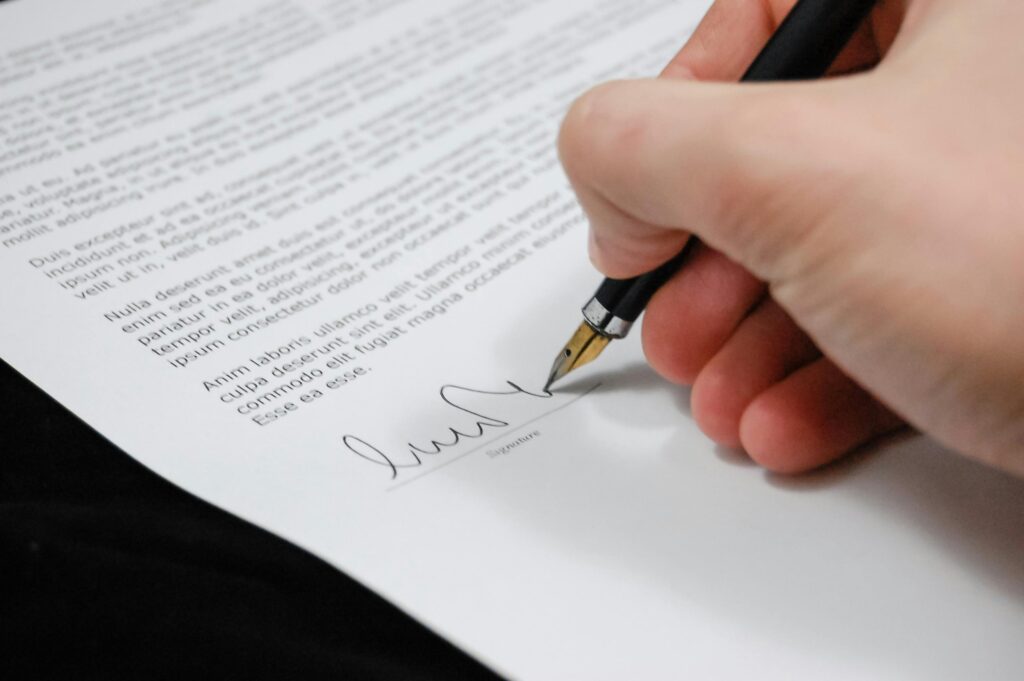
Once you reach an agreement in principle, the next step is creating a written contract. This protects both you and the property owner by spelling out all expectations. The contract should describe where the machine will be placed, how payments will work, who handles maintenance, and how long the agreement will last. It should also include clear guidelines for ending the contract, such as how much notice is required or what conditions allow early termination. Putting everything in writing reduces misunderstandings and ensures that the relationship starts on a solid foundation. Even if the property owner seems trustworthy and easygoing, having a written document prevents confusion later and gives both parties something clear to reference if questions arise.
After the machine is installed, your work does not end. Staying in communication with your location partners builds trust and leads to better long term results. Check in occasionally to make sure they are happy with the machine’s performance. Be quick to address concerns and responsive when someone reports an issue. Property owners pay attention to how operators behave after the agreement is signed. If you prove yourself reliable, they may offer you additional locations, introduce you to other managers, or even help you secure exclusive vending rights in their building. Many operators do not realize that one well maintained account can lead to several more simply because of good service and professional communication.
In the bigger picture, negotiating placement agreements is not just about finding a home for one machine. It is about building a network of reliable locations that support long term profitability. Good agreements help you plan inventory, schedule restocking trips, forecast sales, and manage growth at a steady pace. They also give property owners confidence that they chose the right operator. With thoughtful research, clear communication, flexible negotiation, and a strong written contract, you can create lasting partnerships that help your vending business expand year after year.
FAQ: Negotiating Vending Machine Placement Agreements
Q1: What is a placement agreement?
A placement agreement is a written contract between a vending operator and a property owner that outlines the terms for hosting a vending machine in a specific location.
Q2: Is it better to pay commission or a flat rent?
Both can work well. A flat rent offers predictable costs, while a commission allows the property owner to earn a share of the sales.
Q3: How long do these agreements usually last?
Most agreements run from six months to two years. Shorter terms help test new locations, while longer terms offer stability.
Q4: Can I renegotiate a placement agreement later?
Yes, most agreements can be adjusted when the term ends or when sales change. Good communication makes renegotiation smoother.
Q5: What should the written contract include?
It should list the machine’s location, payment terms, each party’s responsibilities, the agreement length, and rules for ending the contract.
Check out some of our other articles:
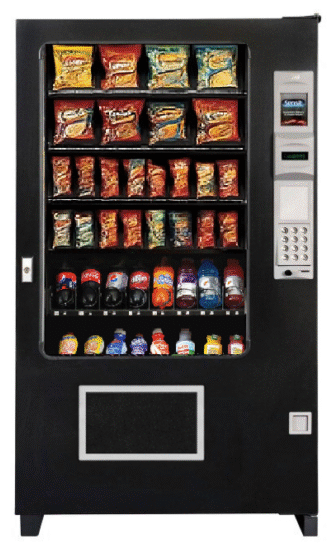
AMS-39 Vending Machine Review: Is It the Right Choice for Your Route?
When you’re evaluating combo vending machines, the AMS-39 often…

Coin Collectors for Vending Machines: The Complete Guide
A reliable coin collector is one of the most important components of…

Novelty Vending Machines: A Complete Guide for Operators
Novelty vending machines offer unique items such as toys, collectibles…