Vending Machine Coin Jams: Common Issues and How to Fix Them
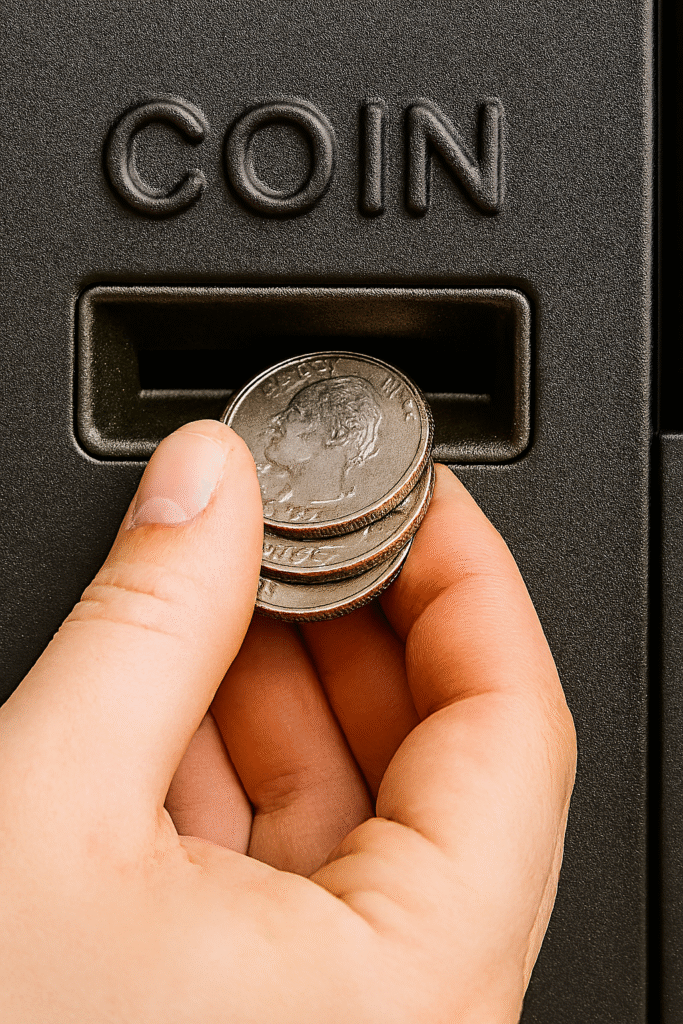
Coin jams are a common vending machine issues that can have a direct impact on both customer satisfaction and overall revenue. A coin jam happens when a coin becomes lodged in the coin mechanism, preventing the machine from completing a transaction. This results in wasted time and disappointment for customers, and lost sales and potential damage to the machine for operators. Because vending machines are often placed in high traffic areas where reliability is expected, understanding the causes of coin jams, how to prevent them, and the best ways to resolve them is critical to maintaining smooth operations and ensuring consistent income.
The causes of coin jams are varied, but they usually come down to a few key factors. Dirty coin mechanisms are one of the most frequent culprits. Over time, dust, grime, and debris can build up inside the coin slot and mechanism, interfering with the sensors that validate coins. This buildup can cause coins to stick or fail to register properly. Damaged or worn coins are another common issue. Bent, corroded, or heavily scratched coins often fail to pass smoothly through the mechanism, leading to jams or rejection. Foreign objects such as tokens, washers, or even small pieces of trash can also block the mechanism entirely. In addition, older machines may struggle to differentiate between coin types or currencies, especially if their calibration or firmware has not been updated. This can result in misreads and jams when customers attempt to use newer or unfamiliar coins.
Preventing coin jams begins with regular and thorough maintenance. Cleaning the coin mechanism with approved cleaning tools or solutions helps remove dirt and debris that interfere with sensors and moving parts. Lubricating components where recommended by the manufacturer can also reduce friction and improve performance. Operators should inspect machines periodically for worn or damaged parts and replace them before they fail. Preventive maintenance not only reduces the risk of jams but also extends the life of the coin mechanism, saving operators money in the long run. Educating customers, when possible, can also help. Simple reminders to use the correct coins and avoid inserting foreign objects can reduce the likelihood of jams. For machines that accept multiple coin types, proper calibration is essential to ensure that all valid coins are recognized and processed correctly.
When a coin jam does occur, quick resolution is key to minimizing lost sales. Most vending machines allow operators to safely open the coin mechanism and remove the jammed coin. It is important to follow manufacturer guidelines during this process to avoid damaging the mechanism. Some modern machines are equipped with self clearing coin mechanisms that attempt to eject jammed coins automatically. Others feature indicators or alerts that notify operators when a jam has occurred, making troubleshooting faster and more efficient. In busy locations, where downtime can quickly lead to significant revenue loss, having spare coin mechanisms on hand can help operators restore functionality quickly.
Upgrading equipment is another effective way to reduce the frequency of coin jams. Modern coin mechanisms are designed with advanced anti jam features and improved coin recognition technology. These mechanisms can accept a wide range of coins while rejecting foreign objects more effectively than older models. Smart vending machines equipped with telemetry take this a step further by providing real time alerts when a coin jam occurs. This allows operators to respond immediately, reducing downtime and preventing extended revenue loss. For operators managing multiple machines across different sites, this technology can be invaluable, as it eliminates the need to rely solely on customer complaints to identify issues.
Coin jams are not just a technical problem; they directly affect the customer experience. A customer who encounters a jam may lose confidence in the machine and choose not to use it again. In competitive environments, where multiple vending options are available, this can lead to lost business. By keeping machines well maintained and equipped with modern coin mechanisms, operators can ensure that customers enjoy a smooth, reliable transaction every time. This builds trust and encourages repeat use, which is essential for long term profitability.
The environment in which a vending machine operates also plays a role in the likelihood of coin jams. Machines in high traffic public spaces are more likely to encounter worn or damaged coins, increasing the risk of jams. In these locations, investing in higher quality coin mechanisms with advanced features is often worth the cost. Machines in controlled environments, such as offices or schools, may experience fewer issues but still benefit from regular cleaning and updates. Tailoring maintenance schedules and equipment choices to the specific environment helps operators manage risk more effectively.
Looking to the future, coin mechanisms are evolving alongside the rise of cashless payments. While mobile wallets and contactless cards are becoming more popular, coins remain a preferred payment method for many customers. This means that coin mechanisms will continue to play a critical role in vending operations. As technology advances, coin mechanisms are likely to become even more reliable, with improved sensors, faster processing, and enhanced compatibility with new coin designs. Operators who stay current with these advancements will be better positioned to reduce downtime and maximize revenue.
FAQ: Vending Machine Coin Jams
Q1: What causes coin jams in vending machines?
A: Coin jams are commonly caused by dirty or worn mechanisms, foreign objects, misaligned or damaged coins, and incorrect coin types.
Q2: How can I prevent coin jams?
A: Regularly clean and maintain coin mechanisms, inspect for worn parts, calibrate for correct coin types, and educate users to avoid foreign objects.
Q3: What should I do if a coin jam occurs?
A: Safely open the coin mechanism and remove the jammed coin following manufacturer instructions. Modern machines may alert you automatically.
Q4: Are all vending machines equally prone to coin jams?
A: No. Older machines and poorly maintained mechanisms are more likely to jam, while newer machines with advanced technology experience fewer issues.
Q5: Can smart vending machines help with coin jams?
A: Yes. Machines with telemetry can immediately notify operators when a jam occurs, allowing for quick resolution and minimal revenue loss.
Effectively managing coin jams is essential for smooth vending machine operation and high customer satisfaction. By understanding the common causes, implementing preventive maintenance, responding quickly when jams occur, and considering modern equipment upgrades, operators can minimize downtime and maximize revenue. As vending technology continues to evolve, coin mechanisms will remain a vital part of the industry, ensuring that machines operate efficiently and customers enjoy a reliable experience.
Check out some of our other articles:
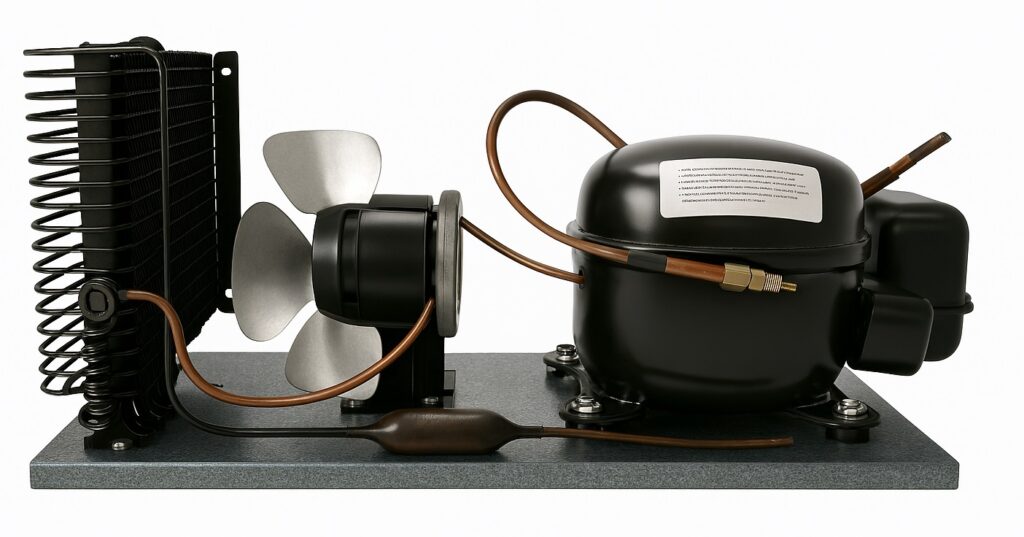
Vending Machine Cooling Issues: Causes, Prevention, and Solutions
Maintaining proper cooling in vending machines is essential for keeping…

Vending Machines in Gyms: A Complete Guide for Operators
Placing vending machines in gyms and fitness centers is a lucrative opportunity…

How to Negotiate Vending Machine Placement Agreements | Guide
One of the most important steps in running a profitable vending machine business is