Vending Machines in Gyms: Guide and Best Practices
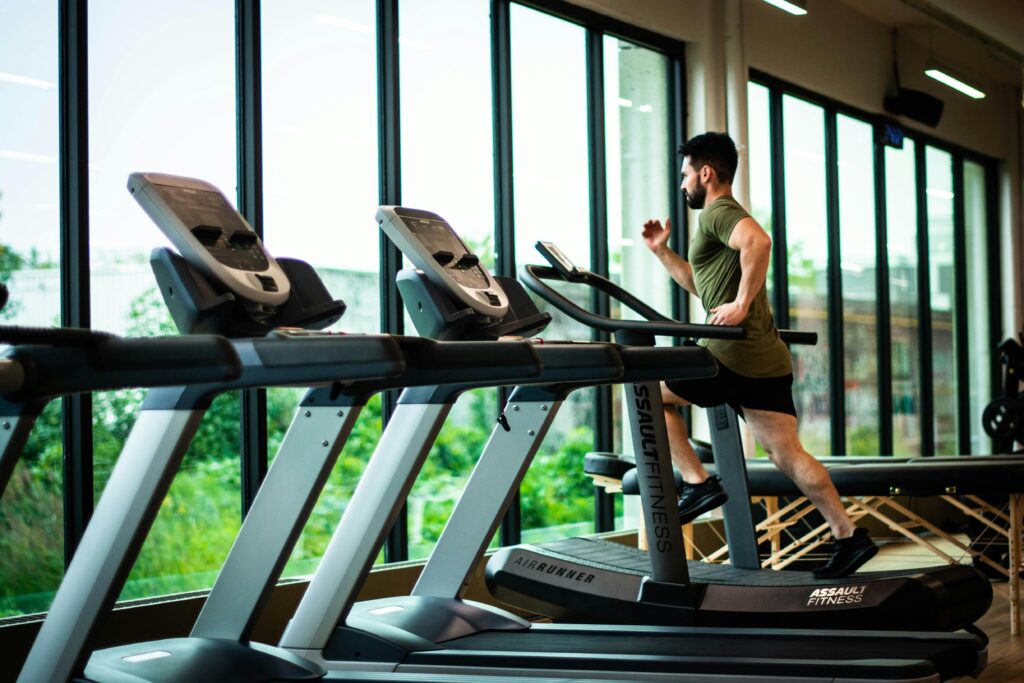
Vending machines located in gyms and fitness centers continues to be one of the most promising opportunities for vending operators who want consistent sales and reliable customer traffic. People who visit gyms usually have a specific purpose, whether that is building strength, improving stamina, or maintaining general health. This creates a unique environment where convenience plays a major role in their daily routine. Many gym members want quick access to energy boosters, hydration, protein, and simple snacks to support their workout sessions. For operators, this focused demand can turn a single well placed vending machine into a steady source of income. To get the most value out of a gym placement, it helps to understand the habits of fitness members, the expectations of gym management, and the product categories that perform best in an active setting.
Before installing a vending machine, take time to evaluate the gym location. Not all fitness centers have the same traffic levels, and foot traffic is one of the biggest factors in determining success. Large commercial gyms usually offer the strongest activity throughout the day, particularly from early morning through evening hours. Smaller boutique gyms may have fewer members but can still generate great results because their members tend to be dedicated and visit the facility regularly. Some gyms attract younger adults who enjoy protein bars, pre workout drinks, energy drinks, and sparkling water. Family friendly gyms may draw a broader range of customers, including parents and teens who like lighter snacks or easier drink choices. Understanding these details helps you choose products that feel natural to the environment and meet the needs of the people who train there.
With the location selected, the next step is securing approval from gym management. Most gyms want to know exactly how the vending machine will benefit both their members and their business. They generally expect the agreement to include details about placement, service frequency, and revenue sharing. Many gyms prefer either a small monthly fee or a percentage of total sales, which commonly ranges from five to fifteen percent. A clear and simple agreement helps prevent misunderstandings and sets expectations from the start. Gym owners want dependable operators who keep machines clean, stocked, and functional without requiring constant reminders. By presenting yourself as professional and easy to work with, you increase the chance of building a long term partnership.
Placement inside the gym heavily influences how well the machine performs. Members are already moving with purpose, so machines must be placed where people naturally walk or pause. Entrances, front desk waiting areas, near locker rooms, or close to stretching zones and lounges all work well because they receive constant visibility. If members have to go searching for the machine, they are far less likely to use it. A clean, well lit location also helps the machine fit naturally into the gym setting. When the machine looks modern and well cared for, gym members feel more confident purchasing from it.
Once placement is settled, product selection becomes the foundation of your vending strategy. Gym members have different needs from residents in apartments or workers in offices. Their choices are often shaped by their workout goals. Protein bars, energy drinks, bottled water, and electrolyte beverages tend to be top sellers because they help with hydration and recovery. Many gym members also appreciate healthier snack choices like nuts, trail mix, baked chips, fruit snacks, or plant based protein items. It can also help to add a few simple treats, since not all customers are looking for nutritional options. A good mix keeps the machine appealing to everyone who walks by. Seasonal adjustments are useful as well. Cold beverages usually see a jump in sales during warm months, while items like protein shakes or meal replacement drinks can do better in the cooler months when members are more focused on building routine and increasing strength.
Smart vending technology has become an important part of gym vending. Machines equipped with telemetry allow operators to monitor inventory levels and track which products sell the most. This helps prevent popular items from running out and reduces wasted trips. Cashless payments are especially important in fitness centers because many members carry only their keys and phone. Making it easy for them to use tap to pay or mobile wallet options can significantly increase overall sales. For many gym goers, convenience is a major factor in choosing what to buy, and a smooth purchase experience can make all the difference.
Maintenance plays a major role in the long term success of vending machines in gyms. Fitness centers expect cleanliness across the building, and the vending machine is no exception. A dirty or malfunctioning machine leaves a negative impression. Regularly wiping down surfaces, restocking frequently, checking expiration dates, and addressing technical issues right away all help maintain trust with both gym management and members. Gyms that see strong traffic typically require more frequent restocking, especially during peak hours before and after work. Responding quickly to concerns or service requests also strengthens your relationship with the gym and shows that you value the partnership.
Over time, a well managed vending machine can become part of the daily rhythm of the gym. Members may look forward to grabbing a chilled sports drink after their workout or picking up a protein bar when they are in a hurry. These small habits add up to consistent revenue for the operator. When the machine meets real needs in a timely and convenient way, people return to it again and again. This repeat usage is what makes gym vending such a strong opportunity. With careful planning and steady upkeep, a single machine can produce reliable returns and open the door to more placements in the future.
Growing relationships with gym management can also lead to expansion. Many gyms belong to small regional chains or have multiple branches. If you perform well in one location, management may invite you to place machines in their other centers. Positive communication and dependable service help build your reputation, which is one of the most valuable resources in the vending industry. A strong reputation can lead to new opportunities without the need for heavy marketing efforts.
In the end, placing vending machines in gyms combines convenience for members with reliable income for operators. By choosing the right fitness centers, offering a clear agreement, placing machines in visible locations, selecting products that match workout needs, and maintaining equipment with care, operators can create a vending strategy that keeps customers satisfied and supports long term growth. Gym vending works because it serves people at the exact moment they want something quick and refreshing. When done well, it can become one of the most rewarding parts of a vending route.
FAQ: Vending Machines in Gyms
Q1: Are vending machines profitable in gyms?
Yes. Gyms offer steady foot traffic and customers who are often looking for protein bars, energy drinks, hydration options, and quick snacks, which makes them strong revenue generators.
Q2: What products sell best in gym vending machines?
Protein bars, bottled water, electrolyte drinks, energy drinks, protein shakes, and healthy snacks tend to perform the best in fitness environments.
Q3: How do I get permission to place a vending machine in a gym?
Reach out to gym management with a simple proposal that explains placement, maintenance routines, and the revenue share or fee structure.
Q4: Should gym vending machines accept cashless payments?
Yes. Cashless payments are essential in gyms because most members carry only their phone, and mobile payments usually increase sales.
Q5: Where should machines be placed within the gym?
High visibility areas such as entrances, locker rooms, waiting areas, or fitness lounges work best, since members naturally pass through these spots.
Vending Carts: The Complete Guide for Vending Machine Operators
For vending machine operators, vending carts are an essential tool…
Vending Machine Motor Jams: Causes, Prevention, and Solutions
Motor jams are a common issue for vending machine operators and can significantly…
Selectivend Advantage Plus Vending Machine Review: Is It Right for Your Combo Route?
Vending operators who need both snacks and beverages from a single…