Vending Machine Cooling Issues: Why They Happen and How to Fix
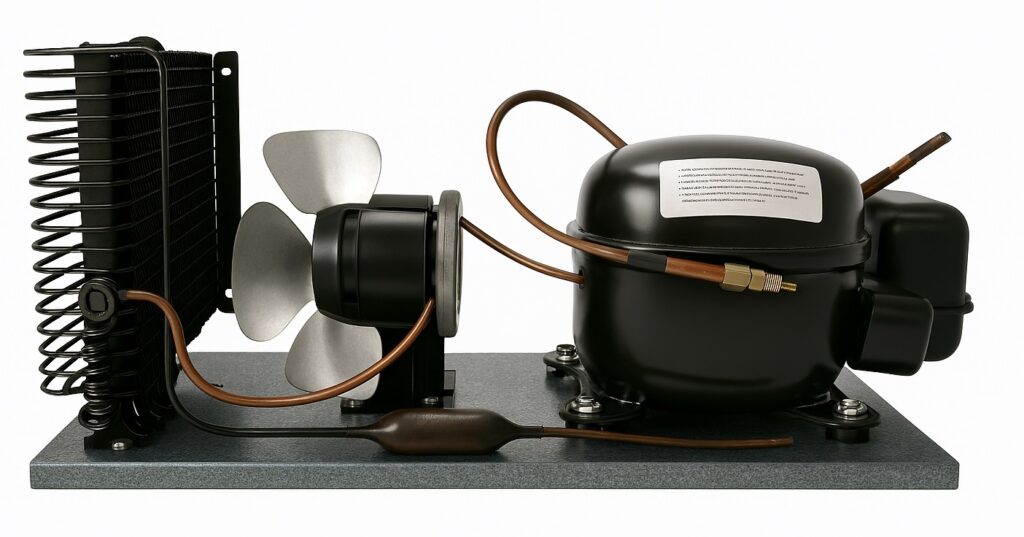
Maintaining proper cooling in vending machines is one of the most important responsibilities for operators, especially when machines are stocked with perishable items such as dairy products, bottled drinks, or fresh snacks. Customers expect products to be fresh and safe to consume, and when cooling systems fail, the consequences can be costly. Spoiled products not only lead to lost sales but also damage customer trust, which is difficult to rebuild. For operators, cooling issues can quickly escalate into revenue loss, increased maintenance costs, and reputational harm. Understanding the causes of cooling problems, how to prevent them, and the best ways to resolve them is essential for running a reliable and profitable vending business.
The most common causes of cooling issues are dirty condenser coils, faulty fans, refrigerant leaks, door seal problems, and overloading the machine. Dust and debris often accumulate on condenser coils, reducing their ability to dissipate heat. When coils are clogged, the cooling system has to work harder, which can lead to uneven temperatures and eventual breakdowns. Faulty or obstructed fans are another frequent issue, as they prevent proper airflow inside the machine. Without adequate circulation, certain areas of the machine may remain warm, creating hot spots that compromise product quality. Refrigerant leaks, worn compressors, or malfunctioning thermostats can also cause cooling systems to fail. In addition, damaged door seals or doors that are opened too frequently allow warm air to enter, reducing efficiency. Overloading the machine with too many products can block vents and restrict airflow, making it impossible for the cooling system to maintain consistent temperatures throughout the compartments.
Preventing cooling issues begins with regular maintenance. Operators should clean condenser coils and fans periodically to remove dust and debris, ensuring proper airflow and heat dissipation. Door seals should be checked for cracks or wear and replaced when necessary to maintain a tight seal. Avoiding overstocking is equally important, as blocked vents reduce airflow and compromise cooling performance. For older machines, monitoring refrigerant levels and ensuring compressors and thermostats are functioning properly can prevent unexpected failures. Many modern vending machines now feature self monitoring systems that alert operators to temperature fluctuations, allowing for proactive intervention before products spoil. Preventive care not only reduces downtime but also extends the life of the machine, saving operators money in the long run.
When cooling problems occur, quick troubleshooting is essential. Operators should begin by checking for obvious issues such as blocked vents, dirty coils, or damaged door seals. If the machine still does not cool properly, testing the compressor and refrigerant levels is the next step. Fans should also be inspected to ensure they are running smoothly and providing adequate airflow. In some cases, professional repair may be required, particularly if the compressor or refrigeration system is failing. Prompt action is critical to prevent product loss and maintain customer satisfaction. A machine that remains out of service for too long can frustrate customers and reduce trust in the vending operation.
Upgrading to smart vending machines with temperature sensors and remote monitoring can significantly reduce the risk of cooling issues. These machines provide real time alerts about temperature deviations, enabling operators to respond quickly and minimize product spoilage. Remote monitoring also allows operators to track machine performance across multiple locations without needing to physically inspect each one. This saves time, reduces service costs, and ensures that machines remain stocked with fresh products. By combining preventive maintenance with smart monitoring, operators can achieve consistent cooling and reliable operation.
Cooling issues are not just a technical problem; they directly affect the customer experience. A customer who purchases a warm drink or spoiled snack is unlikely to return to that machine. In competitive environments where multiple vending options are available, this can lead to lost business. By keeping machines well maintained and equipped with modern cooling systems, operators can ensure that customers enjoy a reliable and satisfying experience every time. This builds trust and encourages repeat purchases, which are essential for long term profitability.
The environment in which a vending machine operates also plays a role in cooling performance. Machines placed in hot or humid areas, such as near windows or outdoors, are more likely to experience cooling issues. In these locations, investing in machines with stronger compressors and advanced cooling technology is often worth the cost. Machines in controlled environments, such as offices or schools, may experience fewer problems but still benefit from regular cleaning and monitoring. Tailoring maintenance schedules and equipment choices to the specific environment helps operators manage risk more effectively.
Looking ahead, cooling technology in vending machines is expected to become even more advanced. Future innovations may include energy efficient compressors, improved insulation, and AI driven monitoring systems that predict cooling failures before they occur. As sustainability becomes more important, operators may also see machines designed to reduce energy consumption while maintaining consistent cooling. Staying current with these advancements will help operators reduce downtime, lower costs, and maximize revenue.
FAQ: Vending Machine Cooling Issues
Q1: What causes vending machine cooling problems?
A: Common causes include dirty condenser coils, faulty fans, refrigerant leaks, door seal issues, and overloading the machine.
Q2: How can I prevent cooling issues in my vending machine?
A: Clean condenser coils and fans regularly, check door seals, avoid overstocking, monitor refrigerant levels, and maintain compressors and thermostats.
Q3: What should I do if my vending machine is not cooling properly?
A: Check for blocked vents, dirty coils, damaged seals, or fan problems. Test compressors and refrigerant levels, and consult a professional if needed.
Q4: Can smart vending machines help prevent cooling issues?
A: Yes. Machines with temperature sensors and remote monitoring can alert operators to problems before products spoil, allowing for faster intervention.
Q5: How often should I perform maintenance to prevent cooling issues?
A: Regular cleaning and inspection every 1–3 months, depending on the machine’s location and usage, is recommended to maintain optimal cooling performance.
Effectively managing vending machine cooling issues is critical to protecting product quality, maximizing sales, and maintaining customer satisfaction. By understanding the causes, implementing preventive maintenance, troubleshooting problems promptly, and utilizing modern monitoring technology, operators can ensure consistent cooling and reliable vending machine operation. As vending technology continues to evolve, those who invest in proper care and modern systems will be better positioned to thrive in the competitive vending industry.
Check out some of our other articles:
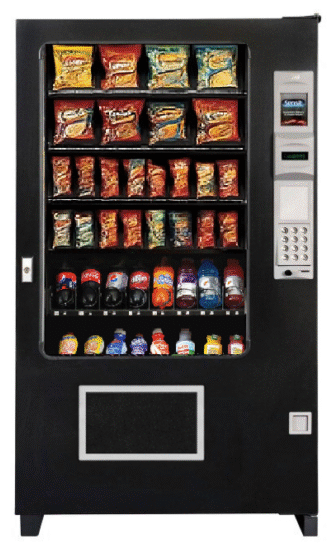
AMS-39 Vending Machine Review: Is It the Right Choice for Your Route?
When you’re evaluating combo vending machines, the AMS-39 often…

Coin Collectors for Vending Machines: The Complete Guide
A reliable coin collector is one of the most important components of…

Novelty Vending Machines: A Complete Guide for Operators
Novelty vending machines offer unique items such as toys, collectibles…