Drink Vending Machines: A Comprehensive Guide
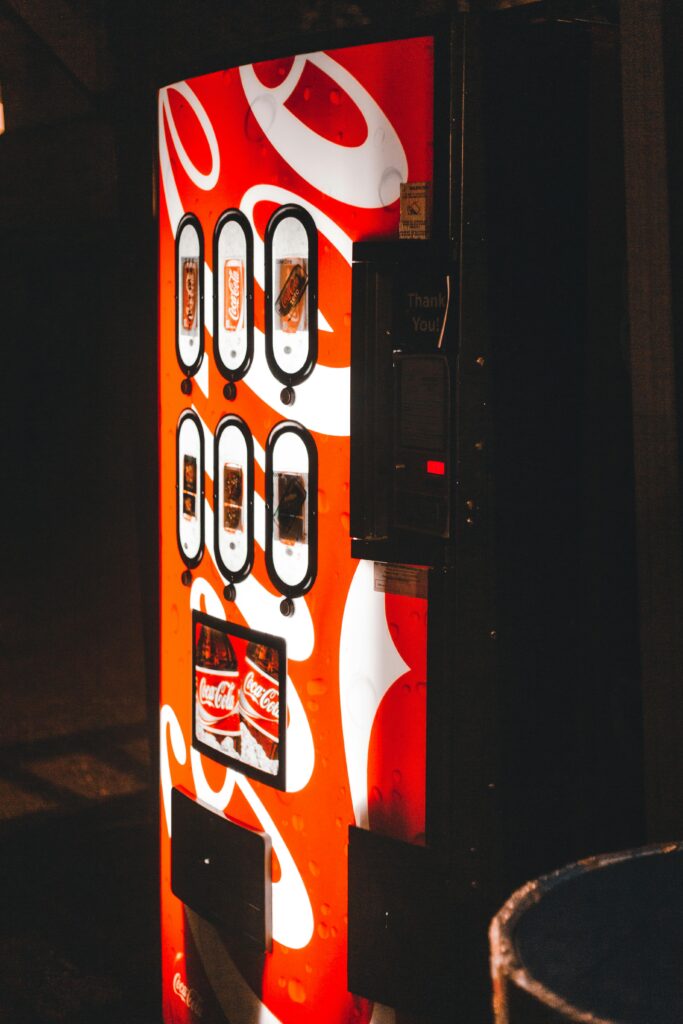
Drink vending machines have become a staple in modern life, offering quick and easy access to beverages in places where people need them most. Whether it is a busy office, a crowded gym, a bustling school hallway, or a hotel lobby, these machines provide convenience while generating steady income for operators. For anyone considering entering the vending business or expanding an existing operation, understanding the ins and outs of drink vending machines is essential. From choosing the right type of machine to maintaining stock and ensuring customer satisfaction, every detail matters when it comes to building a profitable vending business.
The journey begins with selecting the right machine for the right location. Not all drink vending machines are created equal, and the choice depends heavily on the environment and the preferences of the people who will use them. Standard cold beverage machines are the most common, dispensing bottled water, sodas, and energy drinks. However, specialized machines can serve hot beverages such as coffee or tea, or even healthier options like juices and smoothies. In high traffic areas, combination machines that offer multiple types of drinks often perform best, as they appeal to a wider audience. Smaller locations may only need a basic soda and water machine, but even then, tailoring the product mix to the specific audience can make a big difference. For example, a gym might benefit from stocking sports drinks and protein shakes, while a school might see higher sales from juices and flavored waters.
Once the machine is chosen, stocking and maintenance become the backbone of success. Customers expect fresh, cold drinks every time, and operators must ensure that machines are consistently filled and properly maintained. Regular inventory checks help prevent popular items from running out, while rotating stock ensures that older products are sold before they expire. Refrigeration is another critical factor, especially in warmer climates where drinks can spoil quickly if not kept at the right temperature. Modern machines often come equipped with smart telemetry systems, which allow operators to monitor stock levels remotely, track sales in real time, and receive alerts if a machine malfunctions. This technology not only reduces downtime but also helps operators plan efficient restocking schedules, saving time and money while keeping customers happy.
Location is another key factor that directly influences profitability. A machine placed in a hidden corner will not perform nearly as well as one positioned in a high visibility area. Offices, gyms, schools, hotels, and public transportation hubs are all prime spots, but within those spaces, placement matters. A machine near an entrance, lobby, or break room will naturally attract more attention than one tucked away in a hallway. Operators should also consider the demographics of the location. Coffee and energy drinks may sell better in offices, while water and sports drinks are more popular in gyms. Schools often see strong demand for juices and flavored waters, while hotels benefit from offering a wide variety to cater to diverse guests. Cleanliness and presentation also play a role, as customers are more likely to purchase from a machine that looks well maintained and inviting.
Pricing strategy and product variety are equally important. Offering a mix of affordable staples alongside premium beverages allows operators to appeal to both budget conscious customers and those willing to pay more for specialty drinks. Seasonal offerings, such as flavored waters in summer or hot chocolate in winter, can create excitement and boost sales. Limited time promotions or new product launches also encourage customers to try something different. By monitoring sales trends over time, operators can identify which products perform best in each location and adjust inventory accordingly. This not only maximizes revenue but also reduces waste from unsold items.
Another aspect to consider is customer engagement. While vending machines are often seen as simple, self service units, operators can enhance the experience by adding clear signage, nutritional information, or even digital payment options. Cashless payments, such as mobile wallets or credit cards, are increasingly popular and can significantly increase sales by making transactions faster and more convenient. Some advanced machines even allow customers to customize their drinks, such as choosing flavor shots for water or adjusting the strength of coffee. These features not only improve customer satisfaction but also differentiate the machine from competitors.
Sustainability is becoming more important in the vending industry as well. Customers are increasingly aware of environmental issues, and operators who stock eco friendly products or use energy efficient machines can appeal to this growing demand. Offering beverages in recyclable packaging, reducing plastic use, and ensuring machines operate efficiently can all contribute to a greener business model. Some operators even partner with local beverage companies to provide unique, sustainable options that stand out from mainstream brands.
For operators, the vending business is not just about placing machines and waiting for sales. It requires ongoing attention, adaptation, and a willingness to embrace new technology and trends. Smart telemetry, cashless payments, and sustainable practices are shaping the future of drink vending machines, and those who stay ahead of the curve will enjoy greater success. At the same time, the fundamentals remain the same: choose the right machine, stock it properly, place it strategically, and keep it clean and inviting.
FAQ: Drink Vending Machines
Q1: Are drink vending machines profitable?
A: Yes. Drink vending machines can be highly profitable, especially in high traffic locations with the right product mix.
Q2: What types of drink vending machines are available?
A: Options include cold beverage dispensers, hot beverage machines, juice and smoothie machines, and combination units that offer multiple drink types.
Q3: How often should drink vending machines be restocked?
A: Restocking depends on traffic volume, but weekly checks are common. Busy locations may require more frequent visits.
Q4: How can I prevent spoilage in drink vending machines?
A: Proper refrigeration, monitoring expiration dates, rotating stock, and checking machine temperature regularly are key to preventing spoilage.
Q5: Can smart vending machines improve drink machine performance?
A: Yes. Machines with telemetry allow remote monitoring of inventory, sales, and maintenance, reducing downtime and improving efficiency.
Drink vending machines continue to be one of the most reliable ways to provide convenience while generating income. By combining smart technology with thoughtful product selection, strategic placement, and consistent maintenance, operators can build a vending business that not only meets customer needs but also adapts to changing trends. Whether you are just starting out or looking to expand, understanding these principles will help you maximize sales and create a sustainable, successful operation.
Check out some of our other articles:
AMS-39 Vending Machine Review: Is It the Right Choice for Your Route?
When you’re evaluating combo vending machines, the AMS-39 often…
Coin Collectors for Vending Machines: The Complete Guide
A reliable coin collector is one of the most important components of…
Novelty Vending Machines: A Complete Guide for Operators
Novelty vending machines offer unique items such as toys, collectibles…