Crane National 157 Vending Machine Review: What You Need to Know
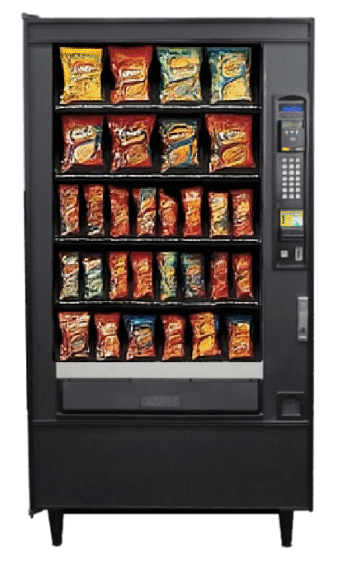
The National Crane 157, often referred to simply as the Crane or National 157 snack machine, is a full size glass front vending unit that has built a strong reputation among operators for its reliability and merchandising flexibility. For those expanding a route, replacing older machines, or comparing models to find the best fit, the 157 is a machine worth serious consideration. In this review, we will explore its specifications, advantages, drawbacks, and overall suitability to help you decide if it is the right investment for your vending business.
The first thing that stands out about the Crane National 157 is its size and presence. At 72 inches tall, 38 inches wide, and about 35 inches deep, it is a substantial machine that weighs around 655 pounds. This makes it a heavy duty unit designed for permanent placement in busy indoor locations. It typically offers between 30 and 40 selections depending on how the shelves are configured, and with six shelves in a five wide layout, it provides ample space for a wide variety of products. The machine supports dual spirals, which means you can vend both candy and snack sized items on the same tray, giving you more flexibility in how you stock it.
Payment compatibility is another strength of the 157. Most units come with coin mechanisms and bill validators, often supporting one dollar bills and sometimes more. Many refurbished or upgraded models are compatible with credit card readers and cashless payment modules, making them suitable for modern customer expectations. The control board is MDB compatible and often DEX capable, which allows integration with telemetry and remote monitoring systems. This makes it easier for operators to track sales, monitor inventory, and manage machines without needing to visit them as frequently.
The interior design also helps with usability. Shelves tilt forward in many refurbished units, making stocking easier even on upper shelves. The cabinet construction is heavy duty, built to withstand steady use, and some units include features that make maneuvering through standard doorways more manageable. The overall build quality is robust, with steel panels and durable components that contribute to the machine’s long lifespan when properly maintained.
Where the National 157 excels is in merchandising flexibility. Operators can stock chips, candy, pastries, snack bars, and even healthier options depending on customer demand. This adaptability helps maximize sales by tailoring the product mix to each location. Its capacity of around 300 to 400 items strikes a balance between variety and volume, ensuring that machines can handle busy environments without needing constant restocking. The machine’s durability is another major advantage. With proper care, it can last for many years, and the availability of parts and refurbishing services makes it easier to keep older units running smoothly.
Upgradability is also a key selling point. Many 157s are already compatible with newer payment systems, and modular control boards allow for upgrades without replacing the entire machine. This makes the 157 a cost effective option for operators who want to modernize their fleet without investing in brand new machines.
Of course, no machine is without limitations. The weight of the 157 makes shipping, placement, and installation more expensive and logistically challenging. At over 650 pounds, moving it requires proper equipment and planning. Its size also means operators need sufficient floor space and clearance for servicing and restocking. Condition variability is another factor, as many 157s on the market are refurbished. Some units may have worn wiring, faulty spirals, or outdated components, so it is important to buy from reputable refurbishers and inspect machines carefully. Energy and maintenance costs can add up as well, since lighting, motors, and multiple selections increase operating expenses. Finally, the 157 is designed for indoor use, and exposure to moisture, extreme temperatures, or vandalism can degrade performance unless modifications or protective enclosures are added.
The best use cases for the National Crane 157 are high traffic indoor locations such as schools, hospitals, large office buildings, factories, and break rooms. These environments provide the steady demand needed to make the machine profitable. It also performs well in locations where customers expect variety, since its 30 to 40 selections allow operators to offer both everyday staples and specialty items. Operators who have the technical know how or service support to maintain coin and bill validators, wiring, and control boards will find the 157 particularly effective. Budget conscious buyers who want quality without paying for brand new machines often choose refurbished 157s, which offer strong value when fully reconditioned.
In terms of return on investment, the 157 can be an excellent choice when placed strategically. Its durability reduces long term maintenance costs, and its flexibility in product mix helps maximize sales. For operators with locations that generate enough volume, the 157 often provides excellent value relative to its cost. However, the upfront logistical challenges and potential maintenance issues must be managed carefully to avoid surprises.
FAQ: Crane National 157
Q: How many snack selections can a National 157 support?
A: Typically between 30 to 40 selections, depending on tray configuration and whether dual spirals are used.
Q: What is the item capacity and how many items does it hold?
A: Generally around 300 to 400 items, though actual capacity depends on product size and tray configuration.
Q: What are its dimensions and weight?
A: The machine is about 72 inches high, 38 inches wide, and 35 inches deep, weighing approximately 655 pounds.
Q: Does it support credit card and cashless payment?
A: Yes. Many units come with coin and bill mechanisms, and most are upgradeable to support cashless readers. The control board is MDB compatible, which is standard for cashless modules.
Q: What are common maintenance issues to watch out for?
A: Common issues include worn wiring harnesses, faulty spirals, coin or bill validator problems, lighting failures, and cosmetic wear. Buying from a reputable refurbisher helps minimize these risks.
Q: What is the cost range for refurbished versus new National Crane 157 machines?
A: Refurbished units often sell for around $1,500 to $2,000 depending on condition and included upgrades. New machines, if available, cost significantly more.
Q: Is the 157 suitable for outdoor use?
A: It is best suited for indoor locations. Outdoor use requires modifications or protective enclosures, as the machine is not inherently weatherproof or vandal resistant.
The National Crane 157 is a dependable snack vending machine with strong merchandising flexibility, durable build quality, and modern upgrade potential. For operators with high traffic indoor locations, it offers excellent value and can deliver consistent performance for many years. While its weight, size, and potential maintenance needs are important considerations, its strengths make it a worthwhile investment for many vending businesses.
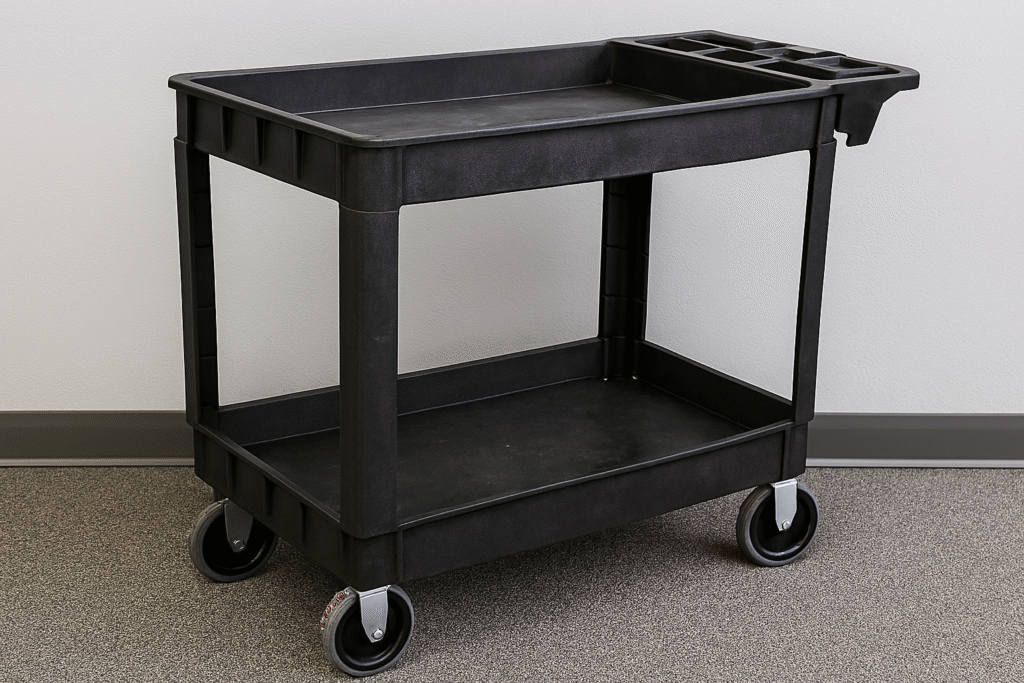
Vending Carts: The Complete Guide for Vending Machine Operators
For vending machine operators, vending carts are an essential tool…
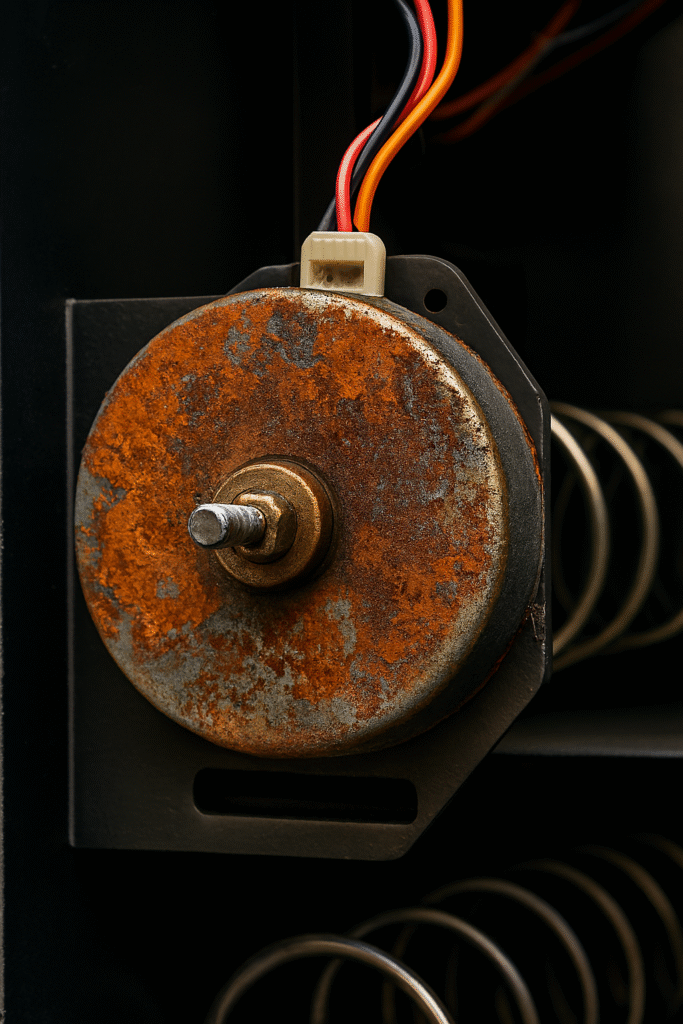
Vending Machine Motor Jams: Causes, Prevention, and Solutions
Motor jams are a common issue for vending machine operators and can significantly…
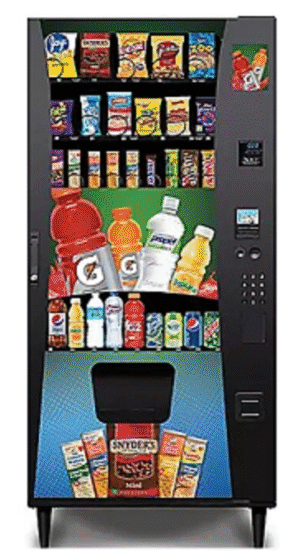
Selectivend Advantage Plus Vending Machine Review: Is It Right for Your Combo Route?
Vending operators who need both snacks and beverages from a single…