How Many Vending Machines Does It Take to Make $1,000 Per Month?
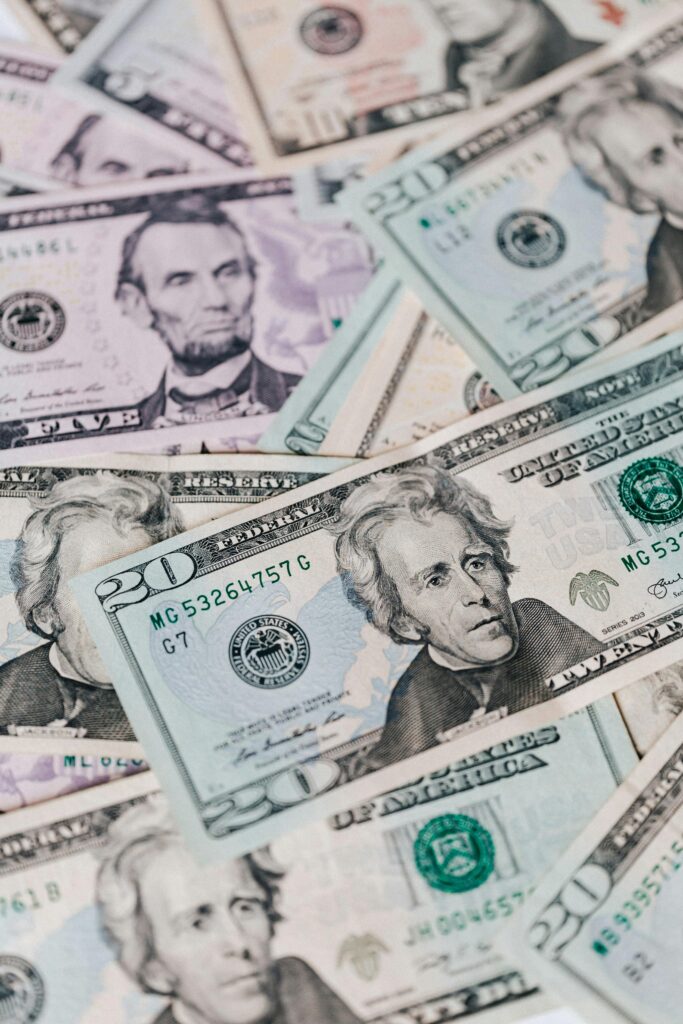
Many aspiring vending machine operators wonder how many machines they need to generate a steady income of $1,000 per month. While there is no simple, universal answer, understanding the factors that influence revenue can help operators plan and reach their financial goals. Revenue is affected by location, product selection, machine type, maintenance, and customer convenience. Each of these elements plays a critical role in determining whether a vending machine becomes a reliable income source or struggles to break even.
The first and most important factor is location. Vending machines placed in high traffic areas consistently outperform those in low traffic locations. Busy office buildings, hospitals, schools, gyms, apartment complexes, and transit hubs tend to generate more sales because they provide access to larger groups of people who may purchase multiple items per day. Even differences in locations within the same building can have a significant impact on monthly revenue. For instance, a machine near a main lobby or cafeteria where people naturally pause and wait is far more likely to see consistent sales than one tucked away in a rarely visited hallway. Operators often find that a well placed machine can generate between $100 and $300 or more per month, depending on customer demand and pricing strategies. By contrast, machines in low traffic locations may barely cover the costs of product, electricity, and routine maintenance, emphasizing the importance of choosing the right spot from the outset.
Product selection is another critical component in reaching a $1,000 monthly target. Vending machines stocked with popular items, like chips, candy, bottled beverages, or healthy alternatives such as granola bars and protein drinks, tend to sell faster than machines filled with outdated or less desirable products. Seasonal items or branded snacks can also increase average sales per transaction. Some operators find that including premium products, like specialty coffee, energy drinks, or refrigerated snacks, attracts higher spending customers and allows fewer machines to reach the same income goal. Incorporating cashless payment options is increasingly important, as customers who do not carry cash are often more likely to make a purchase when a credit card, debit card, or mobile wallet is accepted. Studies suggest that cashless systems can boost revenue by 10 to 30 percent because they reduce rejected transactions and increase convenience.
Machine type significantly impacts revenue potential as well. Traditional snack and beverage machines typically earn less per month than modern smart vending machines equipped with telemetry, cashless payment systems, and inventory tracking. Smart machines allow operators to monitor stock levels, track sales trends, and respond proactively to maintenance issues. This reduces downtime and ensures popular items are consistently available, increasing customer satisfaction and sales. Operators who offer machines with refrigerated compartments for fresh food, protein shakes, or chilled beverages often see higher sales because these products command higher prices and appeal to niche markets, such as gyms, office wellness programs, or healthcare facilities. Combo machines that combine snacks, beverages, and hot or fresh items can also increase overall revenue by catering to a wider range of customer preferences.
Given these variables, many vending experts estimate that an average machine generates roughly $200 per month in profit after accounting for product costs, maintenance, and occasional repairs. Using this estimate, an operator would need approximately five machines to reach a $1,000 monthly goal. However, this number is flexible depending on location and product strategy. Machines in prime, high traffic areas may reach the same goal with only three or four units, while lower traffic locations may require six or more machines to achieve consistent earnings. Understanding sales patterns and adjusting inventory regularly can help operators maximize revenue per machine and reduce the total number of units needed to reach income goals.
Operational efficiency also plays a role in achieving $1,000 per month. Regularly reviewing sales data, tracking high performing items, and adjusting restocking schedules ensures machines remain profitable. Telemetry and remote monitoring technology have become valuable tools for modern operators. These systems allow operators to identify slow moving items, track inventory levels, and predict when restocking is required without making unnecessary trips. By reducing downtime and keeping popular items consistently available, operators improve customer satisfaction while minimizing costs, which directly contributes to monthly revenue.
Maintenance is another factor that affects profitability. Machines that are dirty, malfunctioning, or empty discourage purchases and can significantly reduce sales. Operators who maintain machines proactively by cleaning surfaces, refilling popular items, and repairing minor issues quickly tend to see higher revenue than those who address problems reactively. A well maintained machine also helps build trust with location owners, increasing the likelihood of long term partnerships and additional placement opportunities, which can further support income goals.
While location, product selection, and machine type are primary drivers of revenue, operators should also consider the value of diversifying their vending business. Strategically placing machines in multiple locations reduces risk and spreads potential income sources. For example, having one machine in a busy office, one in a gym, and one in a school can collectively contribute to reaching the $1,000 target while protecting against changes in a single location’s performance. This approach also allows operators to experiment with product offerings in different markets, testing what works with various audiences and optimizing inventory for maximum sales.
In summary, reaching $1,000 per month from vending machines is achievable with careful planning and management. Operators must evaluate locations, select products that appeal to their target customers, choose the right type of machine, and maintain equipment efficiently. On average, five machines in decent locations are likely sufficient, but fewer machines may suffice in high traffic areas with high demand products and smart vending technology. Consistent monitoring, restocking, and modern payment options can further improve profitability, helping operators meet their income goals reliably.
FAQ: How Many Vending Machines to Make $1,000 Per Month
Q1: Can I make $1,000 per month with just one vending machine?
A: It is possible but rare. One machine in a high traffic, prime location selling in demand products may reach $1,000, but most operators require multiple machines to reliably achieve that target.
Q2: How much does location affect vending machine revenue?
A: Location is one of the most important factors. High traffic areas like offices, schools, hospitals, and transit hubs generate more consistent sales than low traffic or residential areas.
Q3: Does offering cashless payment options increase revenue?
A: Yes. Cashless payments allow more customers to make purchases and reduce rejected transactions, often boosting monthly sales by 10 to 30 percent.
Q4: How often should I restock machines to maximize revenue?
A: Restocking frequency depends on sales volume. Machines in high traffic locations may need to be refilled weekly or multiple times per week to avoid lost sales and ensure popular items are available.
Q5: Can I reach $1,000 per month faster with premium or specialty items?
A: Yes. Machines selling higher priced or specialty items usually require fewer units to reach the same monthly revenue compared to standard snacks and beverages.
Achieving a monthly income of $1,000 from vending machines requires a combination of location strategy, product selection, machine type, and operational efficiency. While five average machines may provide the necessary revenue, operators in prime locations with high demand products or advanced vending technology may reach the same goal with fewer units. By monitoring sales, adjusting inventory, and selecting the right locations, vending operators can reliably achieve income targets while laying the foundation for long term growth and profitability.
Check out some of our other articles:
Vending Machine Cooling Issues: Causes, Prevention, and Solutions
Maintaining proper cooling in vending machines is essential for keeping…

Vending Machines in Gyms: A Complete Guide for Operators
Placing vending machines in gyms and fitness centers is a lucrative opportunity…

How to Negotiate Vending Machine Placement Agreements | Guide
One of the most important steps in running a profitable vending machine business is