Starting a Vending Machine Business as a Side Hustle: What You Need to Know
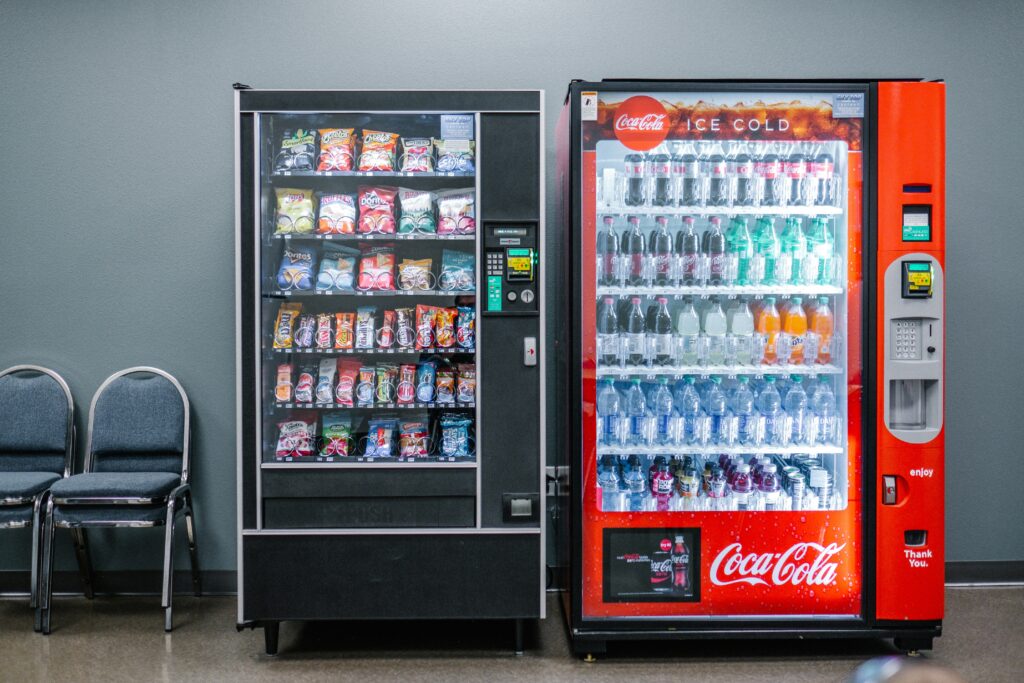
Starting a vending machine business as a side hustle is an increasingly popular way to earn passive income without leaving your primary job. Unlike many traditional businesses, vending machines operate around the clock, require minimal staff, and can scale as your income grows. For those looking to supplement their earnings, a well managed vending machine side business offers flexibility, consistent revenue, and opportunities for long term growth. However, like any entrepreneurial venture, success depends on careful planning, understanding operational requirements, and making informed decisions regarding locations, products, and machine types.
The first and most critical step is researching the market and evaluating potential locations. High traffic areas such as office buildings, schools, hospitals, gyms, and transit hubs tend to generate steady customer demand, which is essential for maintaining profitability. Understanding the demographics and preferences of your target audience allows you to stock products that will sell consistently. For example, office employees often appreciate quick access to snacks, bottled water, coffee, and soda, while gyms or health focused workplaces may favor protein bars, healthier snacks, and specialty beverages like cold pressed juices or electrolyte drinks. Similarly, vending machines placed in hospitals or waiting areas can benefit from offering comfort foods, drinks, or small convenience items. Choosing the right location is often more important than selecting the most advanced machine, as even a top of the line unit will underperform in an area with low foot traffic.
Once you have identified potential locations, the next step is choosing the right vending machines. Traditional snack and beverage machines are a cost effective starting point for new operators, especially when operating on a limited budget. For those looking to minimize maintenance and improve efficiency, smart vending machines with cashless payment systems, telemetry, and remote monitoring offer a significant advantage. These machines allow operators to track inventory levels, monitor sales trends, and receive alerts for technical issues, all without frequent on site visits. For a side hustle, balancing the cost of the machine with its functionality is key. Used machines can be an affordable option, often costing less than half of a new unit, but it is important to ensure they are in good working order to avoid frequent repairs or downtime. Initial inventory costs typically range from $100 to $500 per machine, depending on the products stocked and the expected turnover rate.
Time management and maintenance are vital considerations for operating vending machines alongside a full time job. A well planned route for restocking, coupled with proper machine maintenance and cleaning, ensures that machines remain functional and profitable without consuming excessive time. Smart vending machines with remote monitoring can alert operators to low stock or machine errors, allowing problems to be addressed promptly and minimizing potential revenue loss. Regular maintenance also includes checking for mechanical issues, keeping machines clean, and verifying that payment systems are functioning correctly. Proper attention to these details enhances customer experience, encourages repeat usage, and helps maintain steady revenue.
Legal and financial preparation is another essential aspect of starting a vending machine side hustle. Even as a supplementary business, operators should register their business, obtain any required vending permits, and consider insurance to protect against theft, vandalism, or liability. Insurance is particularly important when placing machines in public or high traffic areas, as it can safeguard against potential losses or accidents. Accurate financial record keeping is equally important, as it allows operators to track profitability, manage cash flow, and plan for business growth. While the side hustle may initially involve a few machines, proper organization from the outset makes scaling operations smoother and more efficient.
Scaling gradually is often the most effective approach for a vending machine side business. Many operators start with two to three machines to minimize risk and learn the business, then reinvest profits into additional units once they have identified locations and products that perform well. This approach allows for sustainable growth without overwhelming the operator or interfering with their primary job responsibilities. Over time, a side hustle can evolve into a larger, more automated operation, particularly when smart machines are used to reduce the need for frequent visits and maintenance. Operators may also expand into multiple types of locations, such as adding machines to gyms or hospitals after gaining experience with office based units.
Product selection plays a significant role in maximizing revenue. Stocking items that appeal to the target audience while balancing popular choices with niche offerings can enhance profitability. Seasonal products, limited time promotions, or locally sourced snacks may attract attention and increase sales. Monitoring sales data, whether manually or through smart machine telemetry, allows operators to adjust inventory based on performance and reduce waste. Ensuring that popular items are always available is crucial, as a poorly stocked machine can quickly erode customer confidence and reduce repeat purchases. For side hustlers, this type of inventory optimization can mean the difference between a marginal income and a truly profitable venture.
Financially, starting a vending machine side hustle is relatively accessible compared to many other small businesses. Initial startup costs for two to three machines typically range from $3,000 to $10,000, including the cost of machines, inventory, transportation equipment, and basic software or monitoring tools. Operators who choose higher end smart machines or plan to start with multiple units may invest $20,000 or more, but these machines can generate higher revenue and reduce the time required for daily operations. Cash flow planning is essential to cover ongoing costs such as restocking, minor repairs, and any location fees. By understanding the investment required and setting realistic expectations for revenue, operators can create a profitable side business while minimizing risk.
Running a vending machine side hustle also requires strategic thinking about customer experience. Machines should be clean, accessible, and easy to use, with clear pricing and functioning payment systems. Smart machines with cashless options make it convenient for users and may increase sales by allowing more customers to make purchases without needing coins or cash. Operators who maintain professional looking machines and respond quickly to issues build trust and repeat usage, which is especially valuable when relying on a small number of machines.
Over time, operators can use data and experience to expand operations intelligently. Identifying the best performing machines, locations, and products allows for informed decisions about scaling. Operators may experiment with new locations, product types, or seasonal items to further boost revenue. By treating the side hustle as a small business with consistent oversight and incremental growth, it is possible to achieve a stable source of passive income that complements other work or commitments.
FAQ: Vending Machine Business as a Side Hustle
Q1: How much time does a vending machine side hustle require?
A: Time commitment varies by location and number of machines, but most side hustlers spend 5–10 hours per week restocking and performing basic maintenance.
Q2: Can I start with just one machine?
A: Yes. Starting with a single machine allows you to learn the business with minimal investment and risk. Scaling can occur as profits grow.
Q3: What are the initial costs for a vending machine side hustle?
A: Expect to spend $3,000–$10,000 for two to three machines, including inventory, equipment, and basic setup. Costs vary based on machine type and location.
Q4: Do I need special permits or licenses?
A: Requirements vary by state and city, but most operators need a business license and sometimes a vending permit. Insurance is also recommended.
Q5: How can I maximize revenue as a side hustle?
A: Choose high traffic locations, stock products that appeal to your audience, consider smart machines with cashless payments, and monitor sales data to optimize inventory.
Starting a vending machine business as a side hustle is an accessible and scalable way to generate extra income. By carefully selecting machines, locations, and products, managing time efficiently, maintaining operations, and gradually scaling, you can create a profitable side business that complements your main job. With smart planning and attention to detail, a vending machine side hustle can provide reliable passive income and the potential for growth into a larger business over time.
Combo Vending Machines: A Complete Guide for Operators
Combo vending machines combine snacks, beverages, and …

Vending Machines in Apartments: A Complete Guide for Operators
Installing vending machines in apartment complexes can be a highly…

How Many Vending Machines Does It Take to Make $1,000 Per Month?
Many aspiring vending machine operators wonder how many machines…