Vending Machine Telemetry Issues: Causes, Solutions, and Best Practices
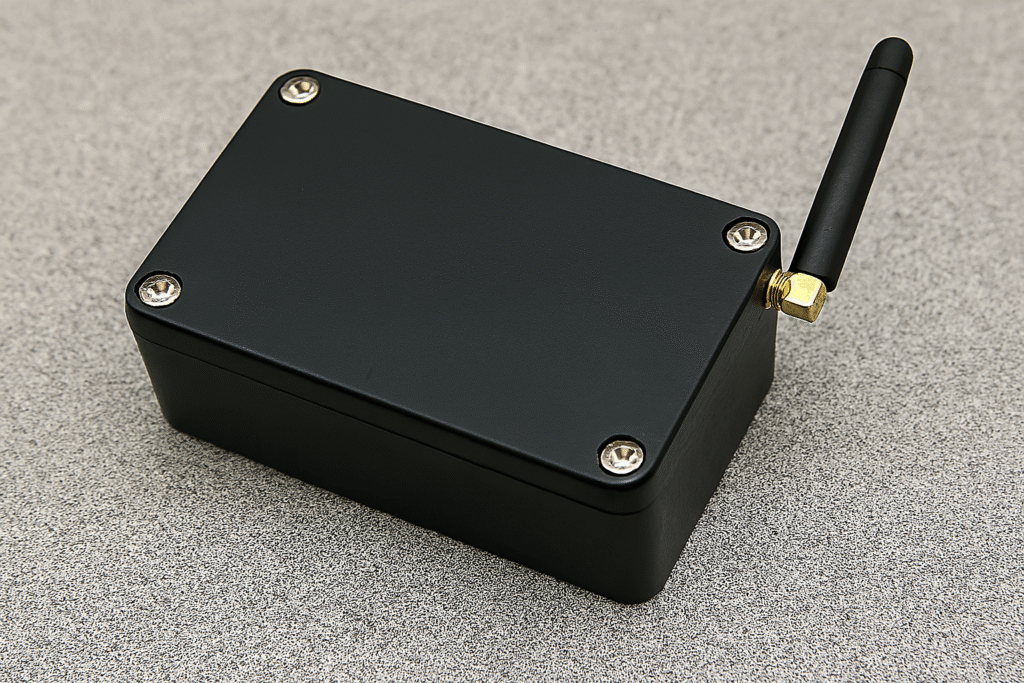
Telemetry technology has reshaped the vending machine industry, giving operators the ability to monitor performance, track inventory, and receive real time sales data without being physically present at each machine. This innovation has made it possible to streamline operations, reduce unnecessary service trips, and respond quickly to customer demand. However, like any technology, telemetry systems are not immune to problems. When issues arise, they can affect data accuracy, delay alerts, and disrupt overall machine management. For operators, understanding the causes of telemetry issues, how to troubleshoot them, and the best practices for prevention is vital to keeping machines reliable and profitable.
The most common causes of telemetry issues include connectivity problems, outdated firmware, sensor malfunctions, and software glitches. Many vending machines rely on cellular, Wi Fi, or ethernet connections to transmit data, and poor network coverage or interference can interrupt communication. Even temporary outages can prevent systems from sending real time information, leaving operators unaware of stock shortages or mechanical failures. Outdated firmware or software is another frequent culprit, as it can lead to incorrect readings or delayed alerts. Malfunctioning sensors may report inaccurate stock levels or temperature readings, which can cause operators to miss critical restocking needs or fail to notice when refrigerated items are at risk of spoiling. Electrical issues or damaged components can also interfere with telemetry functions, making it difficult to maintain consistent monitoring.
Preventing telemetry issues requires proactive monitoring and maintenance. Reliable network connections are the foundation of effective telemetry, so operators should ensure that cellular or Wi Fi modules are functioning properly and that data plans are active. Firmware and software should be updated regularly to prevent compatibility problems and eliminate bugs. Sensors, wiring, and other telemetry components should be inspected periodically to confirm they are clean, secure, and operating correctly. Many telemetry providers also offer diagnostic tools that allow operators to verify data integrity and detect early signs of malfunction. Using these tools can help identify problems before they escalate into costly downtime.
When telemetry problems occur, quick troubleshooting is essential to minimize disruptions. Operators should begin by checking the network connection, signal strength, and data plan status. If connectivity is stable, the next step is to verify that firmware and software are up to date. Rebooting the telemetry system can often resolve temporary glitches. Inspecting sensors and wiring for physical damage or loose connections is also important, as these issues can cause inaccurate readings. If the problem persists, contacting the telemetry provider’s technical support team is usually the best course of action. Prompt resolution ensures that inventory management remains accurate, maintenance alerts are reliable, and customer satisfaction is preserved.
Upgrading to modern smart vending machines with advanced telemetry and remote diagnostics can significantly reduce the likelihood of issues. These machines often feature self checking systems that alert operators when sensors malfunction, connectivity is lost, or other anomalies occur. Remote monitoring allows operators to receive real time notifications, enabling faster responses to problems. Preventive maintenance combined with smart technology ensures that operators can monitor performance effectively, respond quickly to issues, and maintain optimal machine uptime. For businesses managing multiple machines across different sites, these upgrades can save time, reduce costs, and improve overall efficiency.
Telemetry issues are not just technical challenges; they directly affect the customer experience. A machine that fails to report low stock may run empty, frustrating customers who expect convenience. A refrigerated machine that does not alert operators to temperature problems may sell spoiled products, damaging trust and discouraging repeat purchases. By keeping telemetry systems well maintained and updated, operators can ensure that customers enjoy a reliable and satisfying experience every time. This builds loyalty and encourages repeat use, which is essential for long term profitability.
The environment in which a vending machine operates also plays a role in telemetry performance. Machines in areas with poor cellular coverage or heavy interference are more likely to experience connectivity problems. In these cases, investing in stronger modules or hybrid systems that combine cellular and Wi Fi connections can improve reliability. Machines in controlled environments, such as offices or schools, may experience fewer issues but still benefit from regular inspections and updates. Tailoring maintenance schedules and equipment choices to the specific environment helps operators manage risk more effectively.
Looking ahead, telemetry technology is expected to become even more advanced. Future innovations may include AI driven monitoring systems that predict failures before they occur, enhanced sensors that provide more accurate readings, and improved connectivity options that reduce the risk of outages. As sustainability becomes more important, operators may also see systems designed to optimize energy usage while maintaining reliable performance. Staying current with these advancements will help operators reduce downtime, lower costs, and maximize revenue.
FAQ: Vending Machine Telemetry Issues
Q1: What causes telemetry issues in vending machines?
A: Common causes include connectivity problems, outdated firmware, sensor malfunctions, software glitches, and electrical or hardware issues.
Q2: How can I prevent telemetry issues?
A: Ensure reliable network connections, update firmware and software, inspect sensors and wiring, and use diagnostic tools to verify data integrity.
Q3: What should I do if telemetry data is inaccurate?
A: Check the network connection, reboot the telemetry system, inspect sensors and wiring, and contact technical support if needed.
Q4: Can modern smart vending machines reduce telemetry problems?
A: Yes. Machines with advanced telemetry, self diagnostics, and remote monitoring alerts can detect and address issues proactively.
Q5: How often should telemetry systems be maintained?
A: Regular inspections, firmware updates, and network checks every 1–3 months help ensure reliable performance and prevent disruptions.
Effectively managing vending machine telemetry issues is essential for accurate inventory tracking, timely maintenance, and maximizing revenue. By understanding the common causes, implementing preventive measures, troubleshooting quickly, and leveraging modern smart technology, operators can maintain reliable data monitoring and ensure their vending machines operate efficiently. As the vending industry continues to evolve, those who invest in proper care and modern systems will be better positioned to thrive in a competitive market.
Combo Vending Machines: A Complete Guide for Operators
Combo vending machines combine snacks, beverages, and …

Vending Machines in Apartments: A Complete Guide for Operators
Installing vending machines in apartment complexes can be a highly…

How Many Vending Machines Does It Take to Make $1,000 Per Month?
Many aspiring vending machine operators wonder how many machines…